What Does It Actually Cost to Develop Raw Land? Full Breakdown
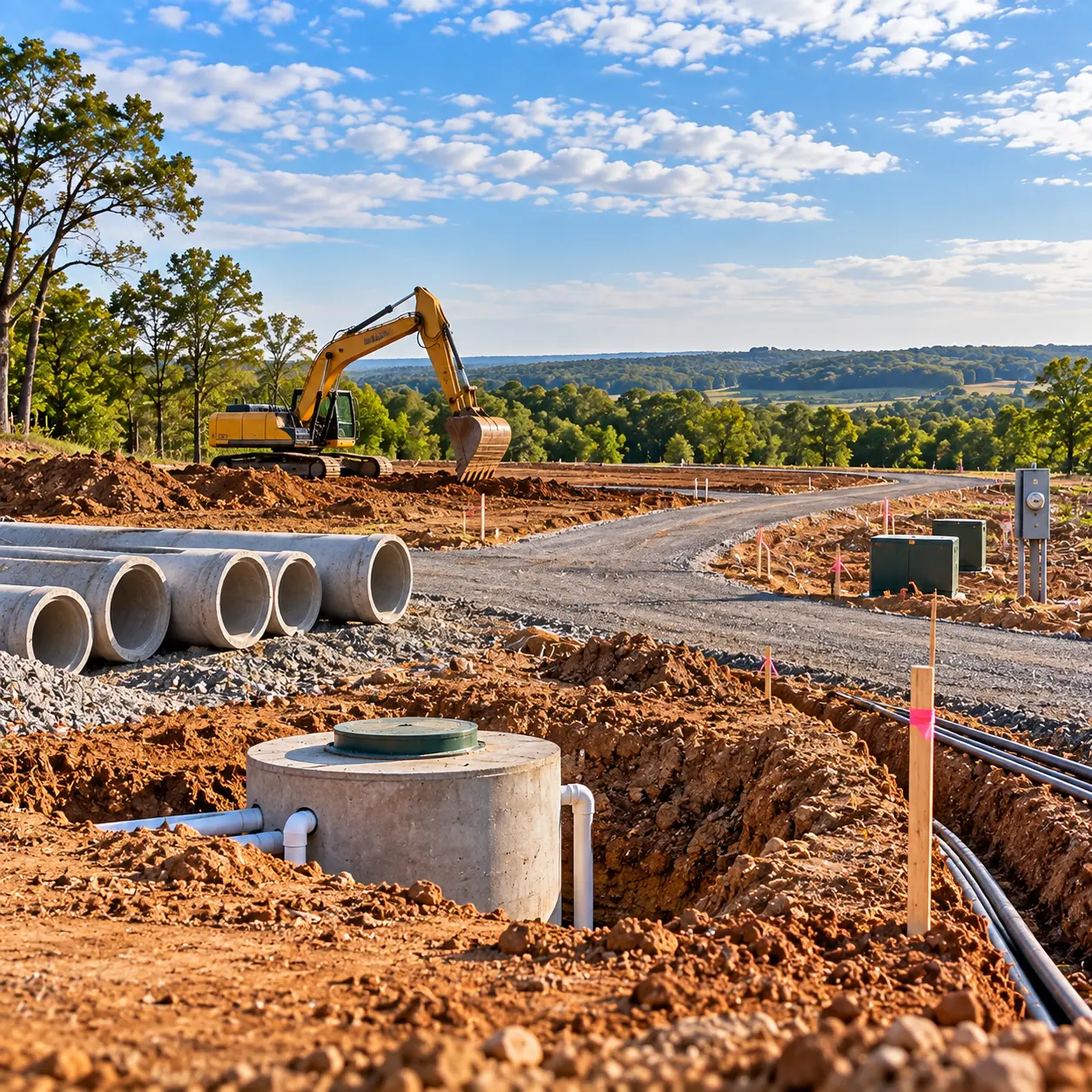
There is no single number. Clearing, water, septic and permits each have published government figures, and one structural trigger changes the total entirely.

 Zachary Blakeman
There is no single number. Clearing, water, septic and permits each have published government figures, and one structural trigger changes the total entirely.
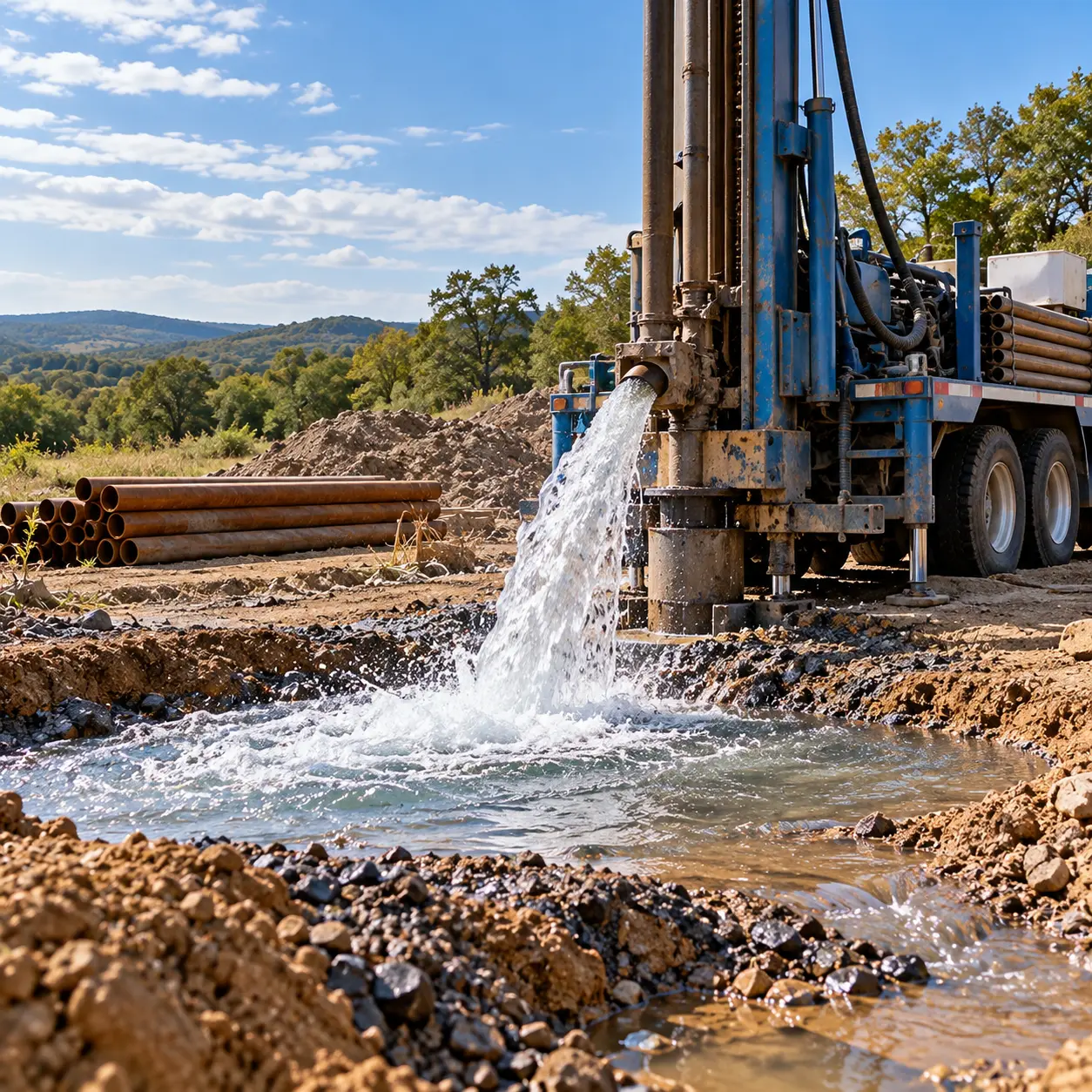
USDA schedules put drilled wells near $3,900 to $22,900. Deeper wells cost less per foot, wider casing costs more, and water rights can cost more.
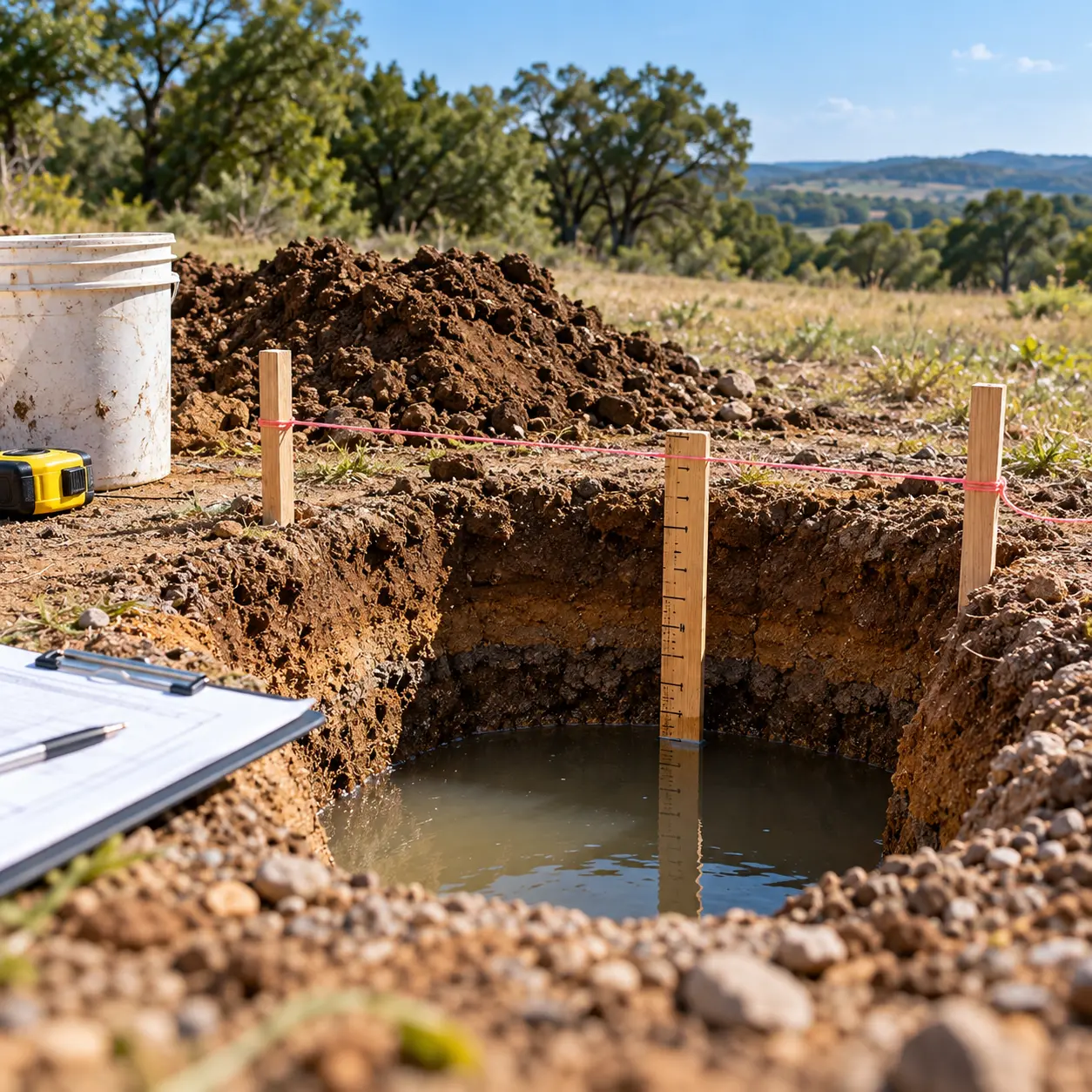
Published county fees run roughly $250 to $600, plus a private contractor. Land fails if it percolates slower than code allows, or faster.
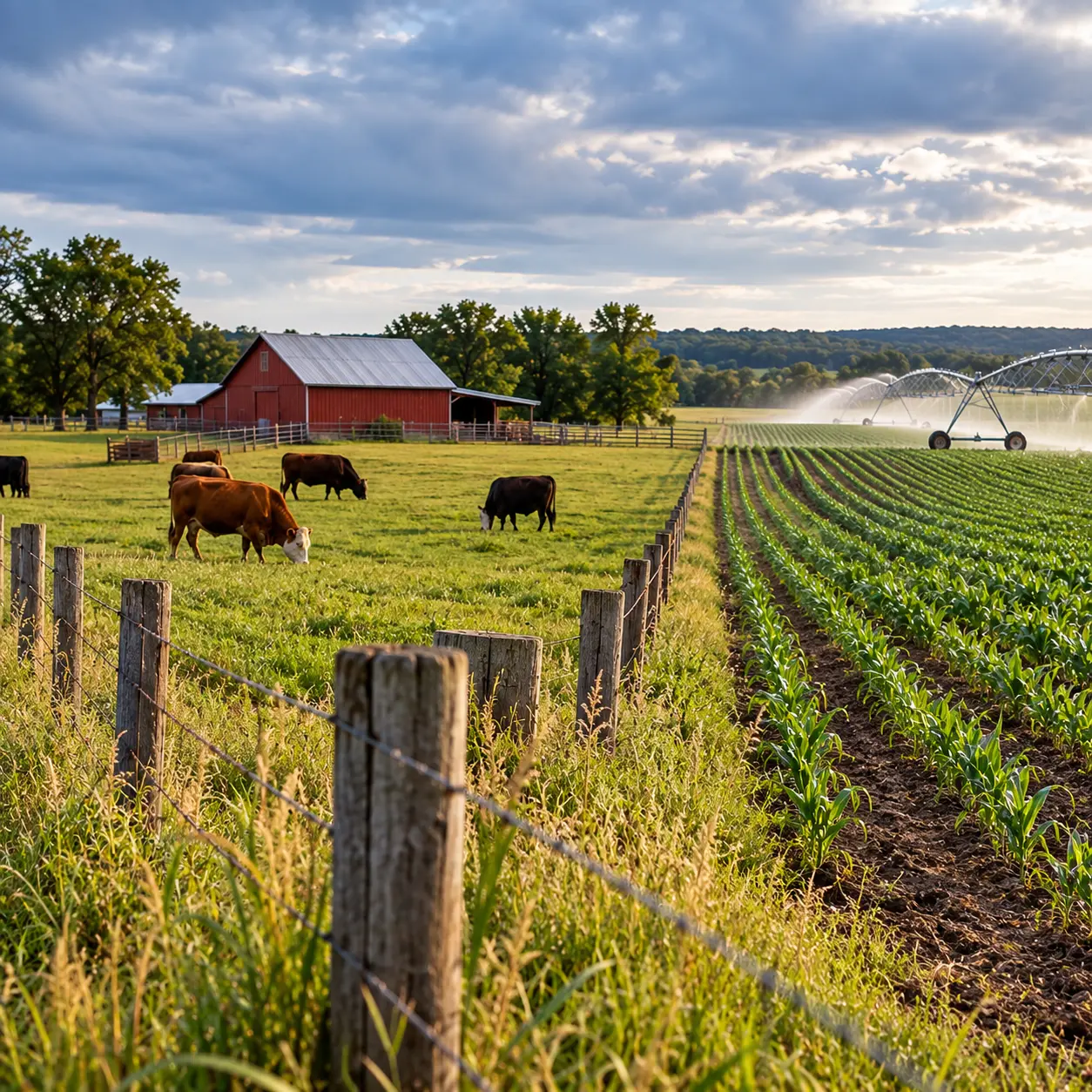
It is not an exemption. Texas appraises qualifying land on productivity value, not market value, and changing use triggers three years of rollback tax.
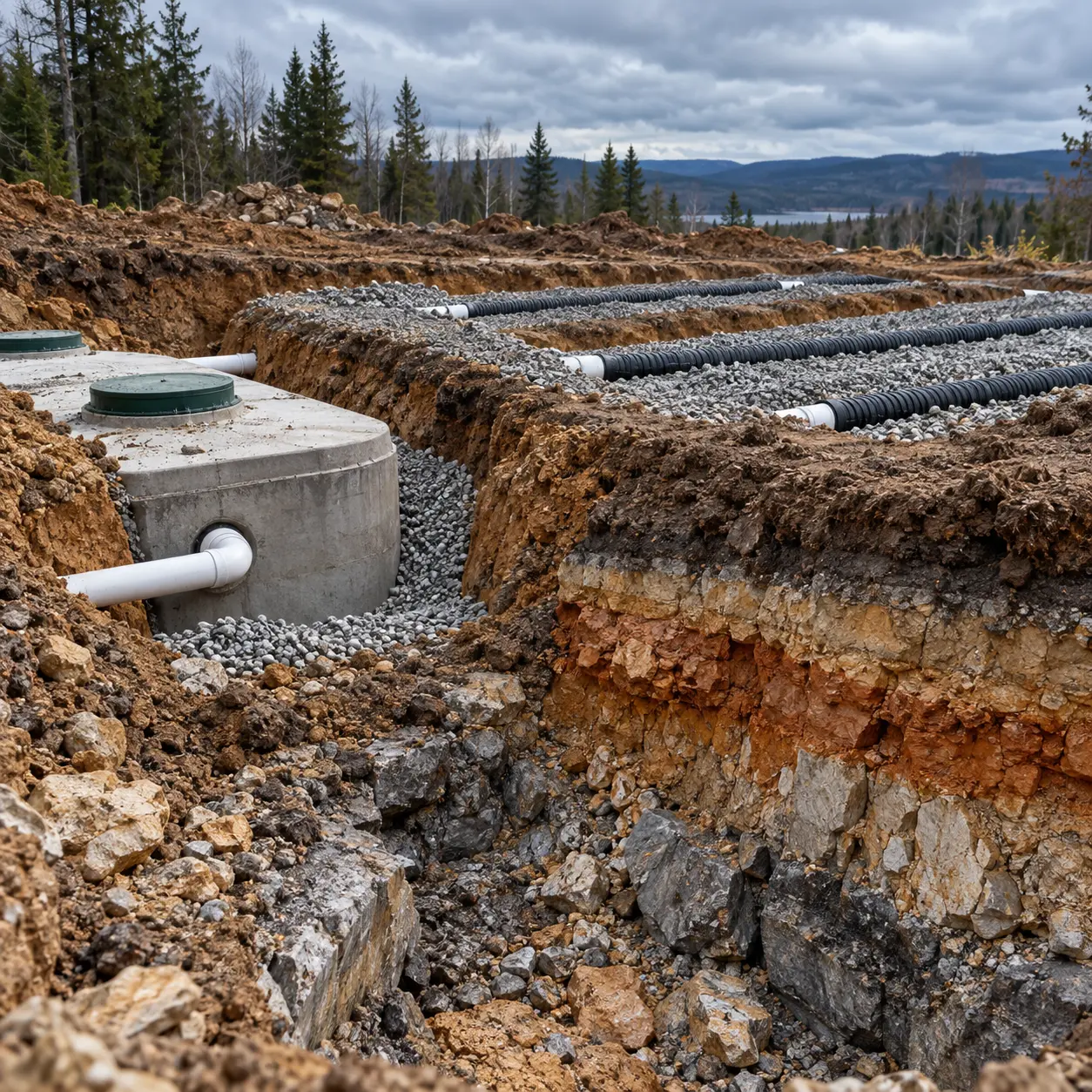
Septic cost on raw land is set by soil, not by house size. Conventional systems are cheapest. Every alternative exists because the soil failed.
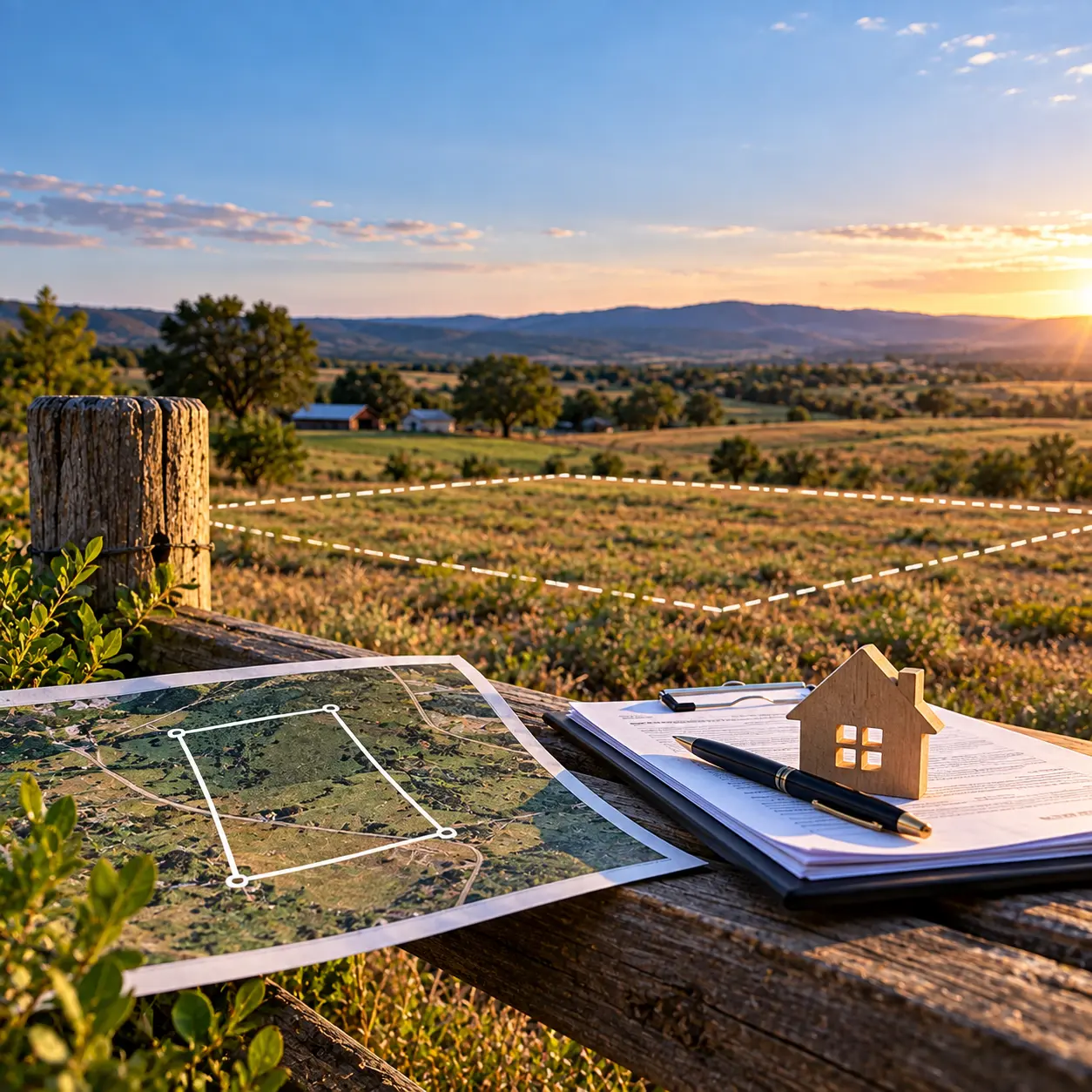
Not the USDA loan most people mean. Section 502 Guaranteed requires a dwelling you occupy. Two other USDA programs reach land, with hard limits.
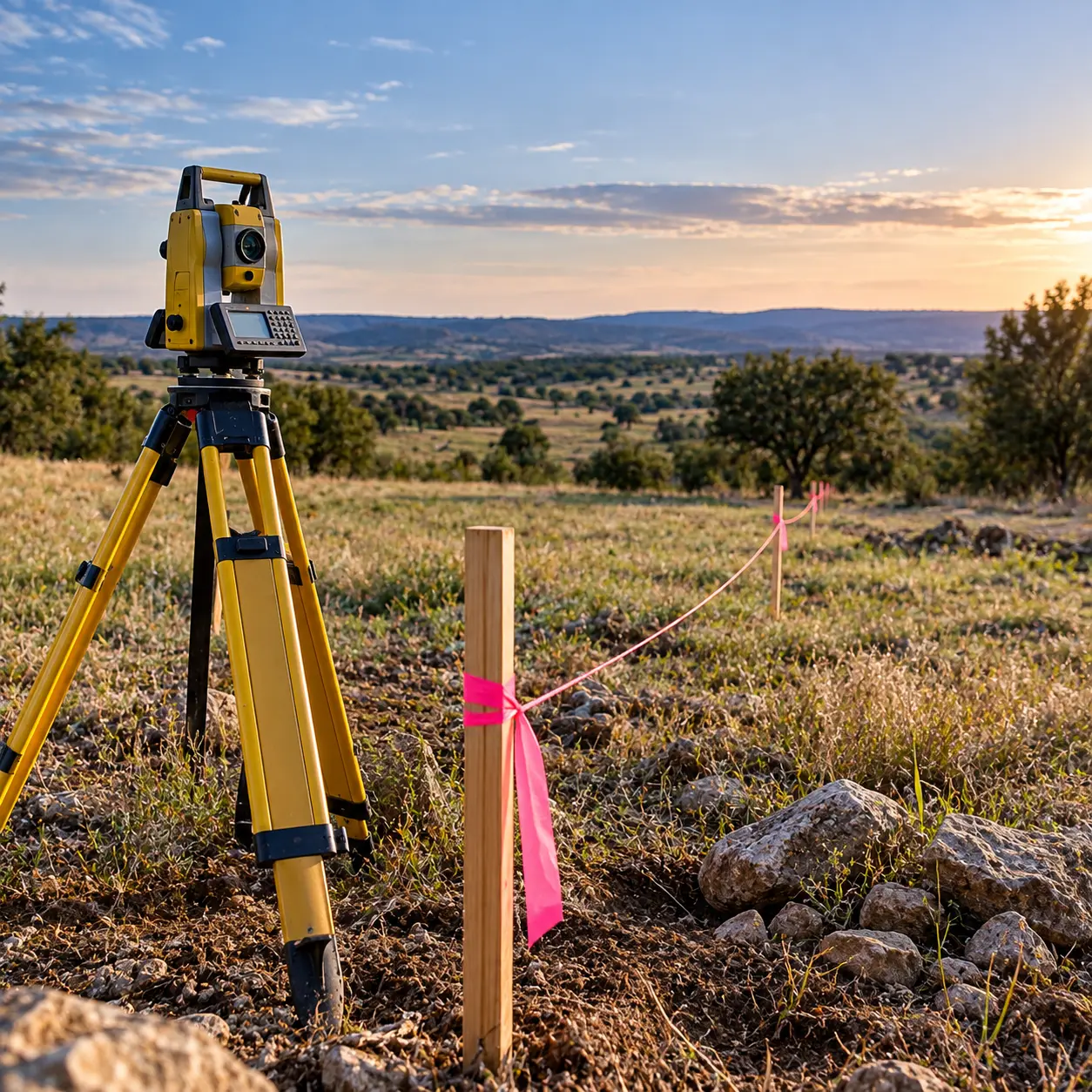
Land survey cost is driven by record research, monument recovery and terrain, not by acreage. ALTA surveys cost more because the standard requires more.
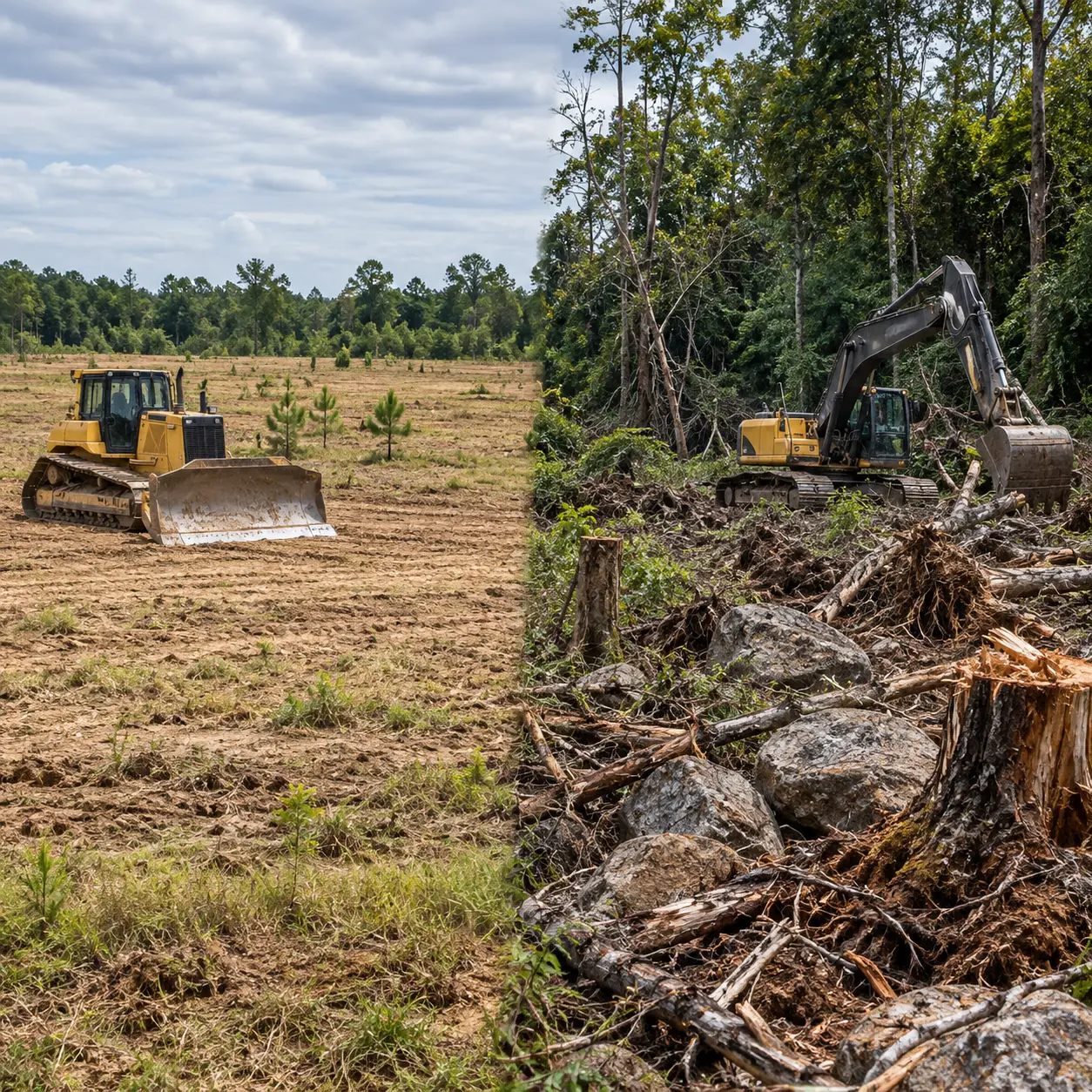
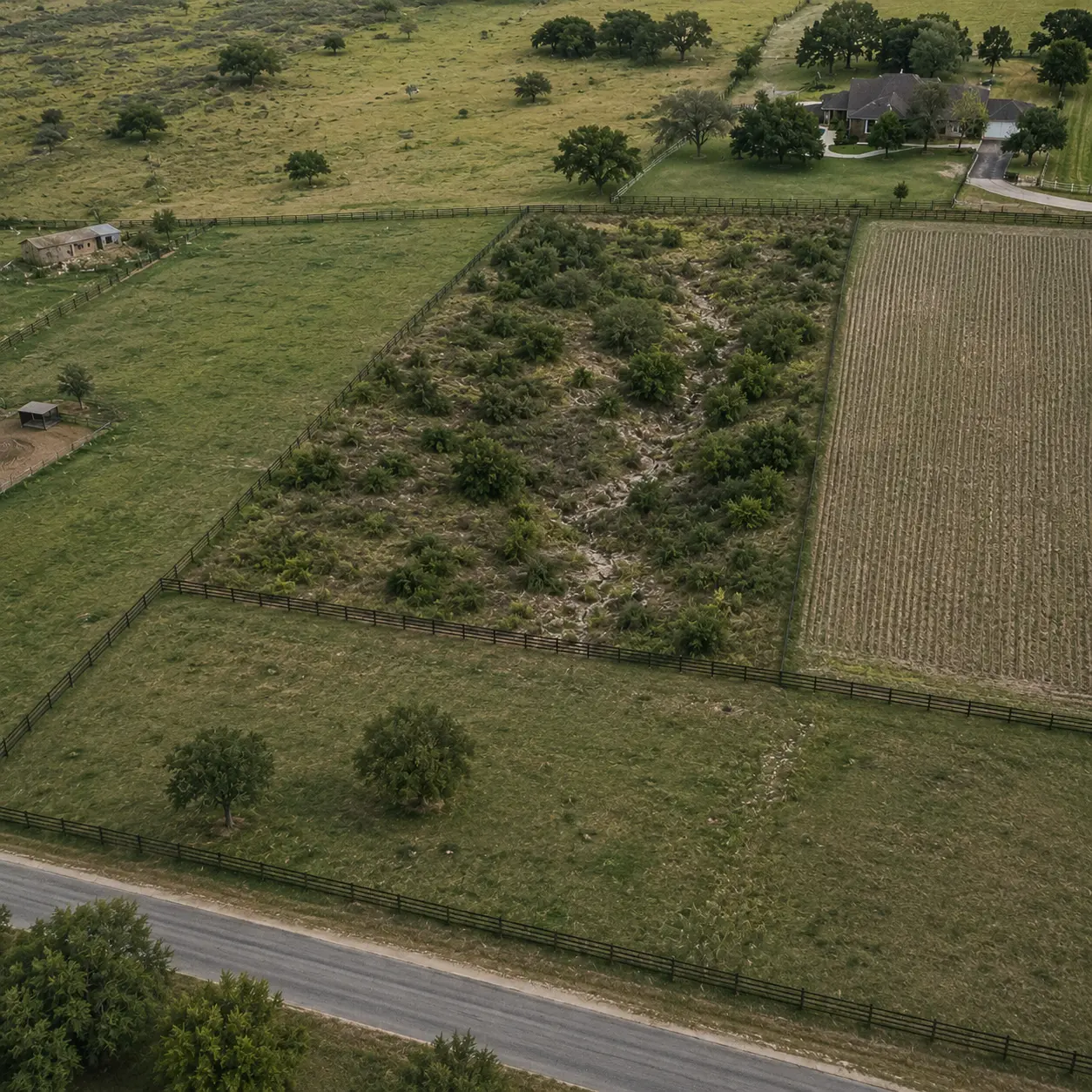
Land clearing costs $27 to $1,196 per acre. Vegetation density, disposal method and job size drive the spread, not the contractor you pick.
An easement by necessity is not something you obtain. It exists only if your parcel was severed from a tract that had access. Check the chain of title first.
No public dataset sets land contract down payments. Ohio shifts the seller’s remedy at 20 percent paid, Texas at 40 percent, Michigan at 50.