How to Buy Vacant Land: Due Diligence, Financing and Closing in 2026
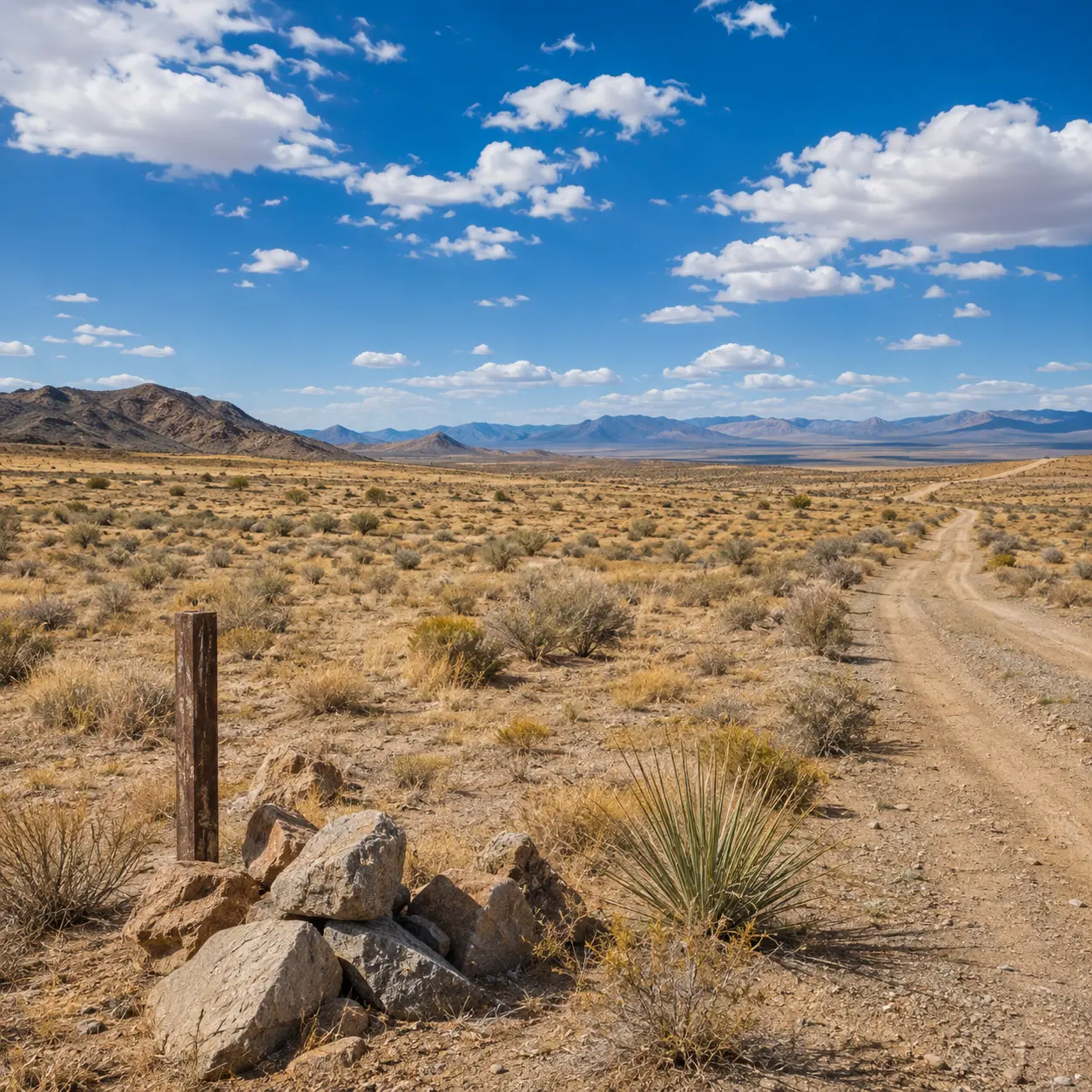
Expect 35 percent down on raw land under federal LTV guidance, run title, access and zoning checks, then close through a title company.

Expect 35 percent down on raw land under federal LTV guidance, run title, access and zoning checks, then close through a title company.
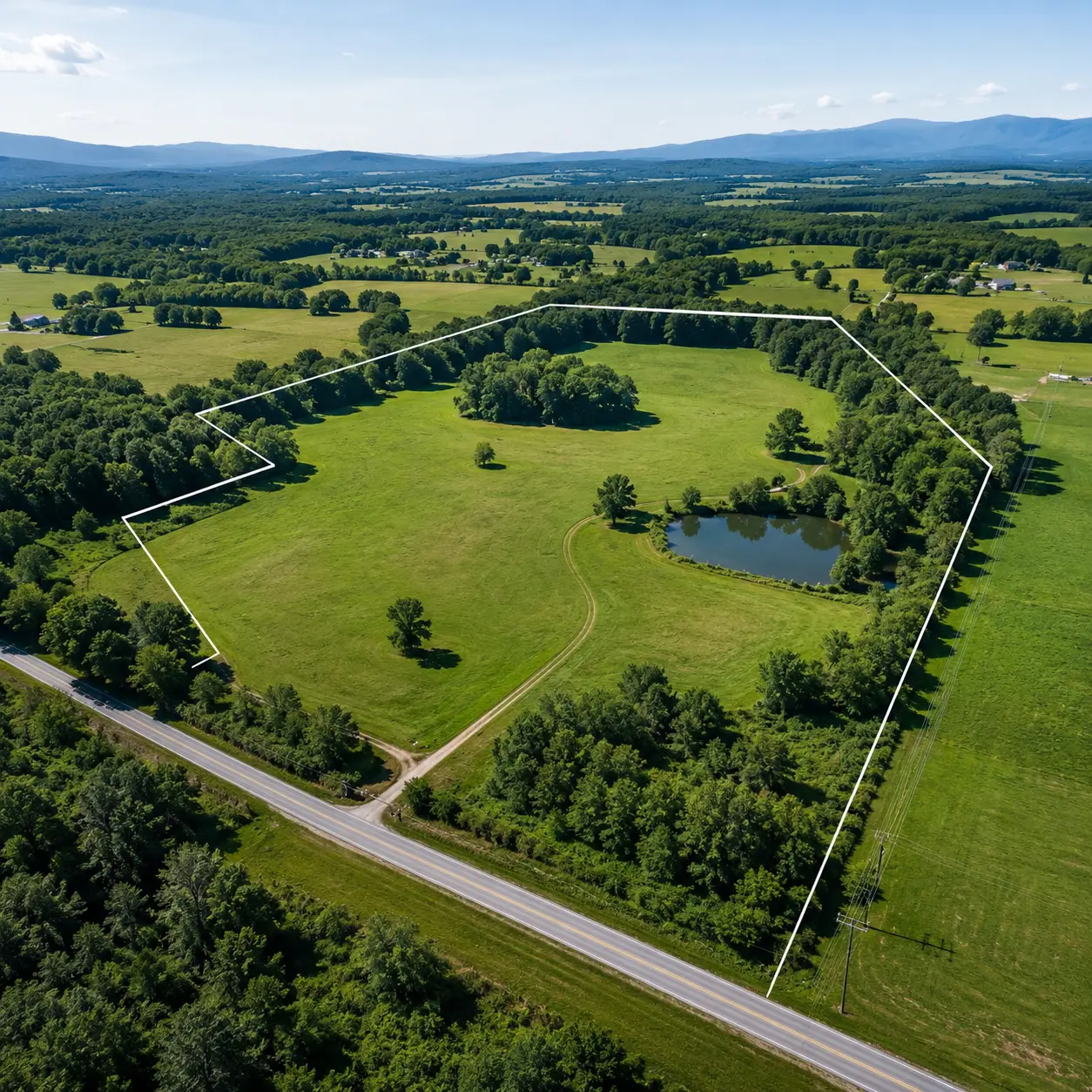
Check legal access, minerals, water, soil, zoning, flood risk, title, survey and price. Access, minerals and title are pass or fail.
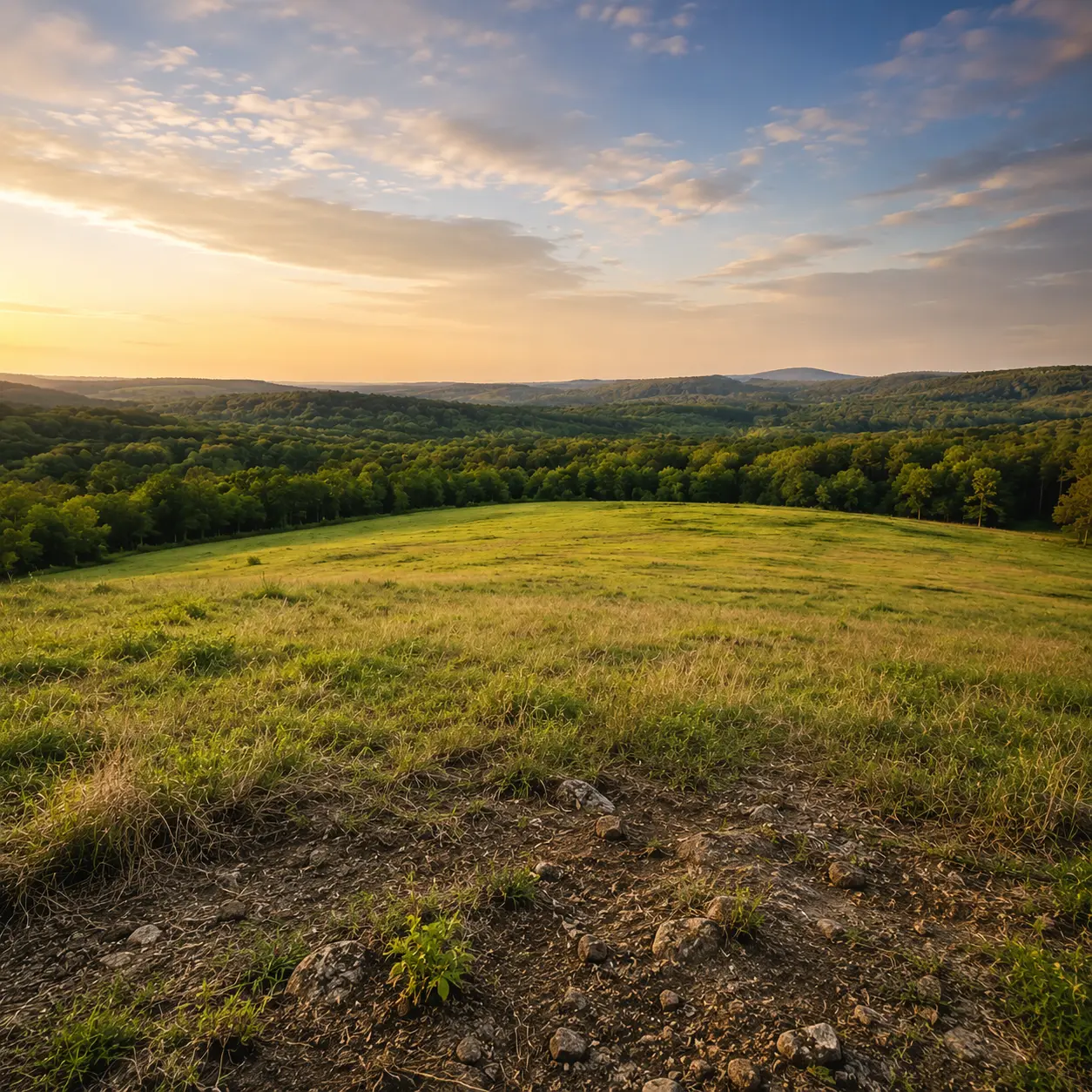
Land can be a good long-term investment, but the deductions investors expect are capped by income a bare parcel does not produce.
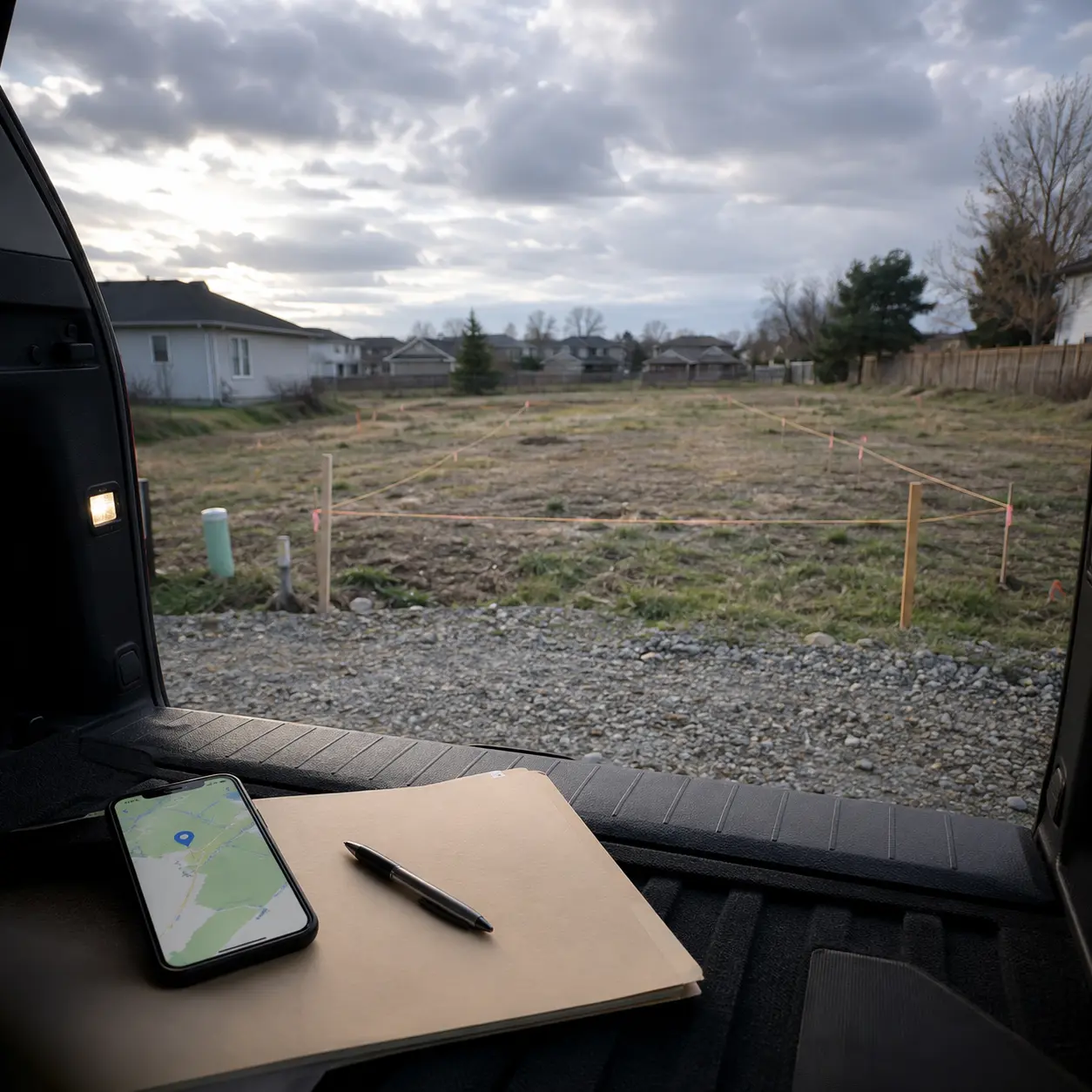
You can buy land without an agent in every state. Paying cash also removes the federal disclosure package, because those rules are triggered by credit.
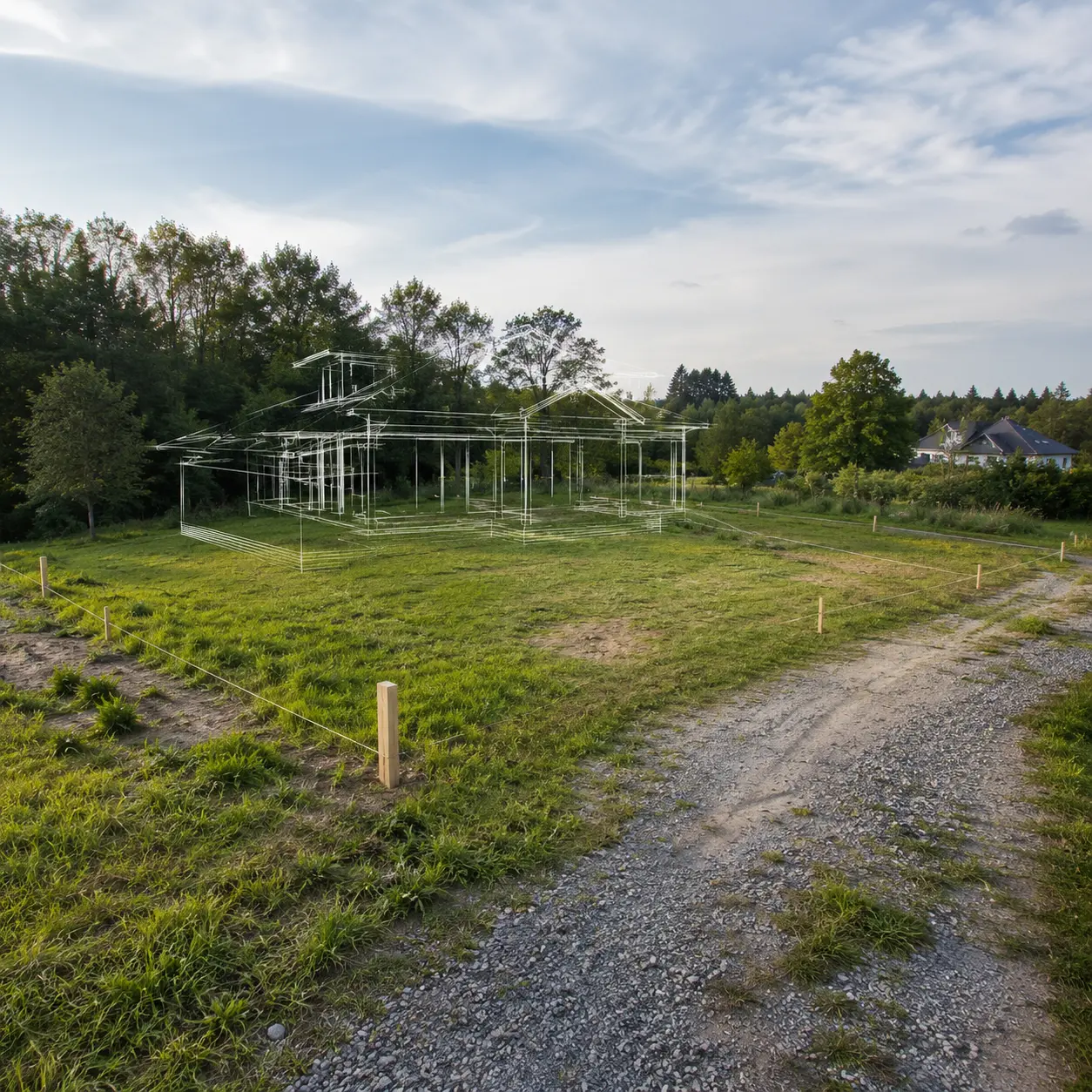
Confirm zoning permits a house, then check soil, water, septic and flood. Two federal protections skip vacant lots because there is no building yet.
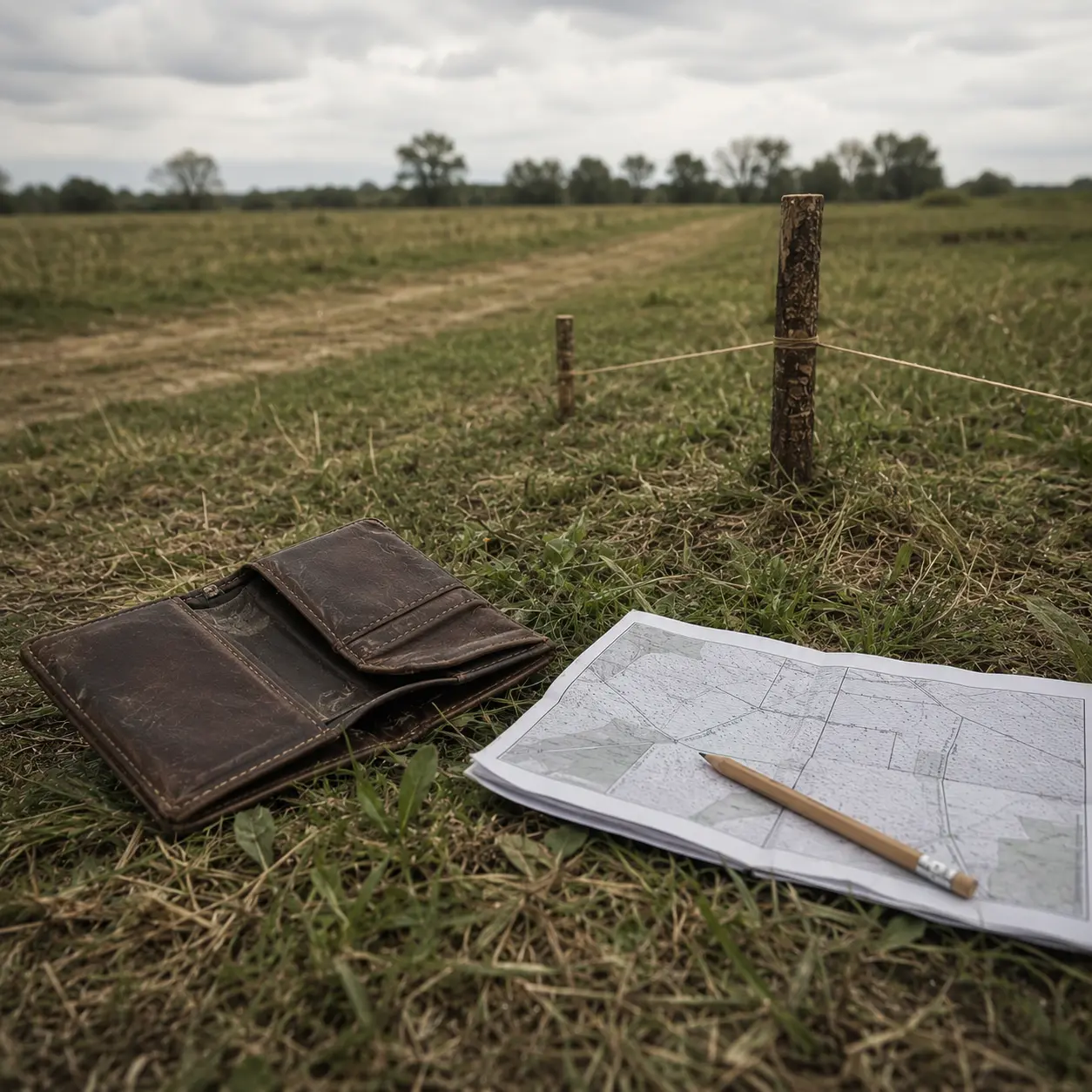
You can buy land with far less cash than a bank wants, but not with zero. The federal low-cash programme sets a floor of 5 percent you cannot borrow.
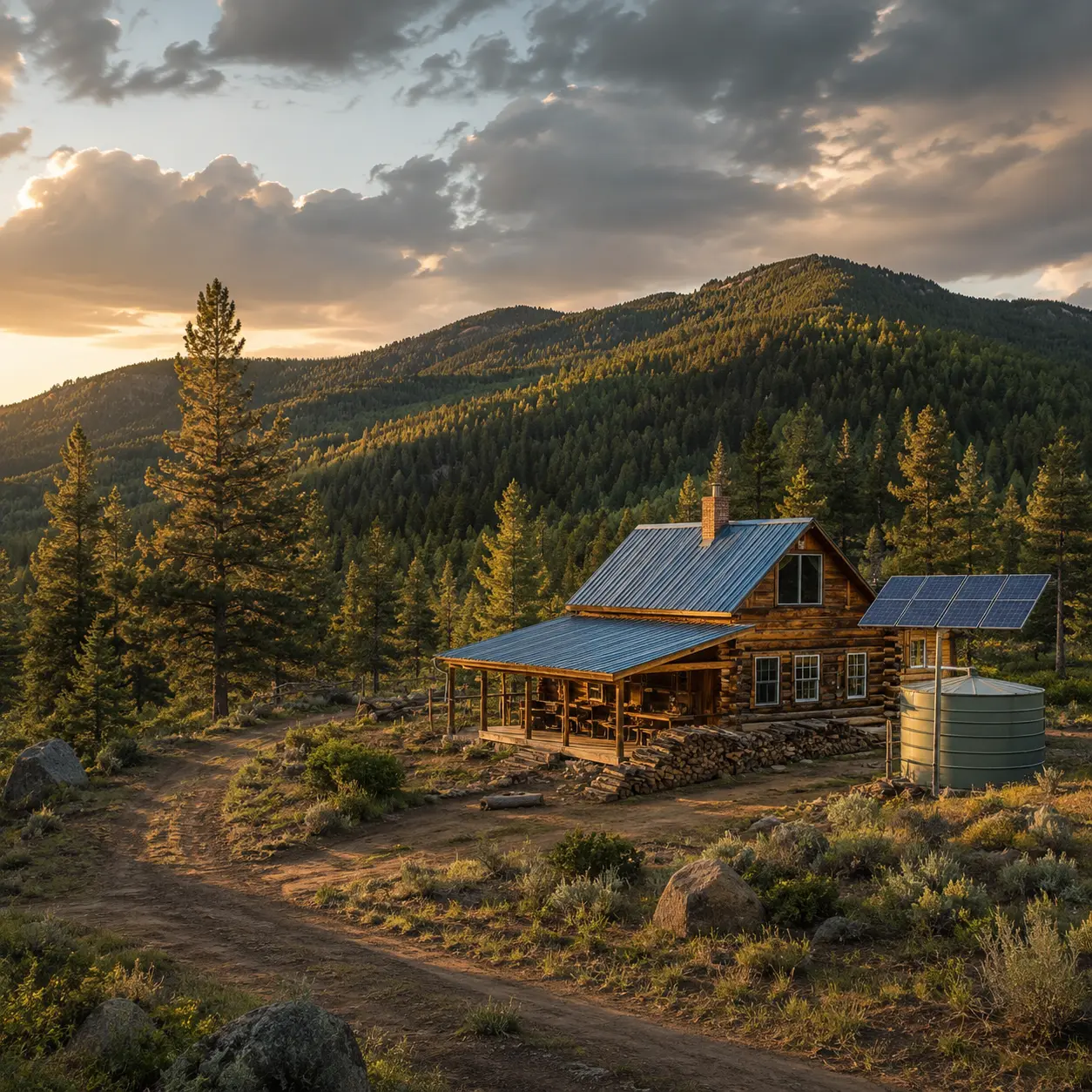
Off-grid land has no utility service, so you supply water, waste and power. Private well water is not federally regulated, which shifts testing onto you.
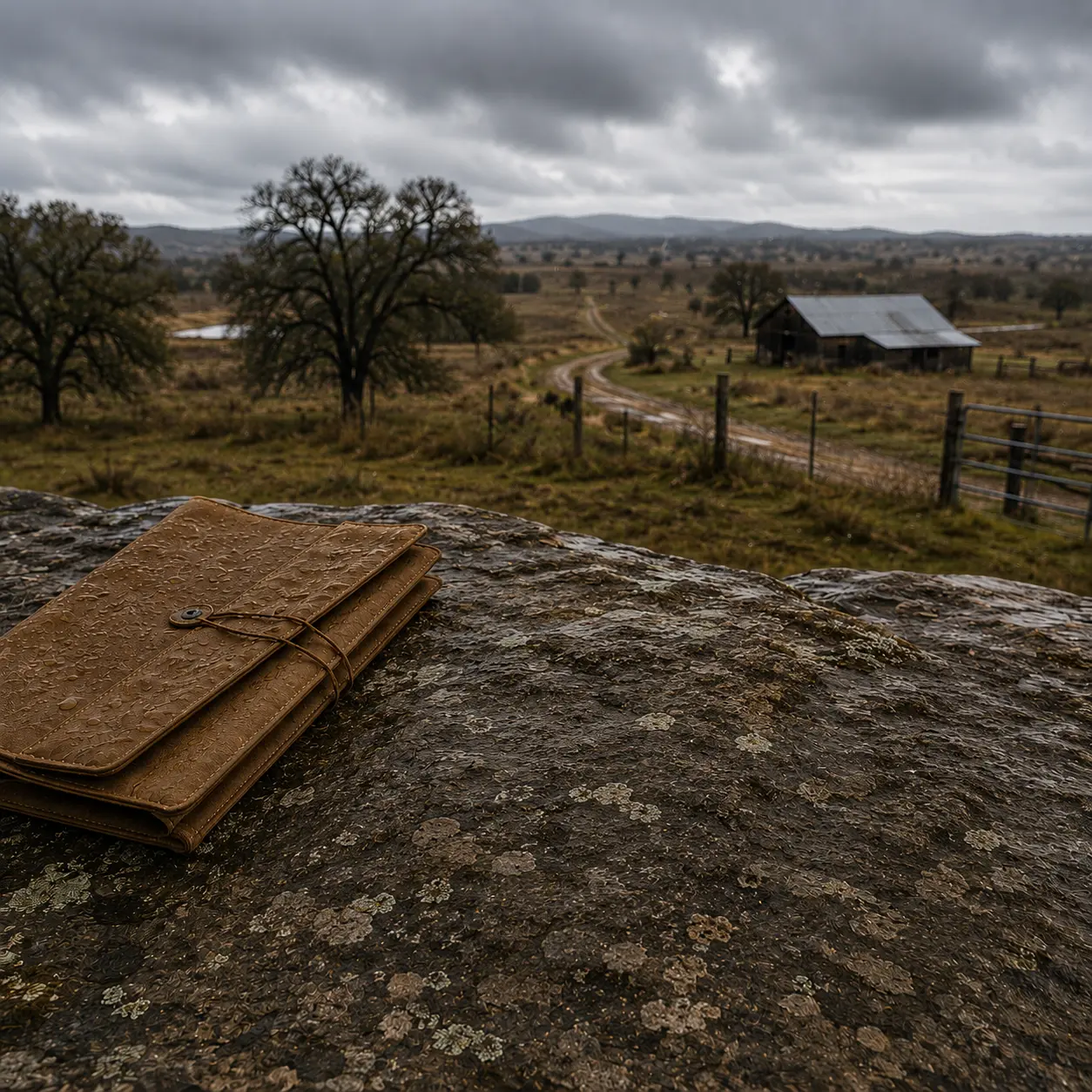
A vacant land purchase agreement sets price, contingencies and closing. Land contracts must be in writing, and courts can order a seller to complete.

Open escrow, search title, run due diligence, insure title, sign, fund, and record the deed. Land closing costs are set by state, not by a national rule.
Owner financed land works like a private installment loan from the seller. Most federal and state buyer protections exempt raw land, so you verify it yourself.