How to Buy Land to Build a House: The Five Checks That Decide
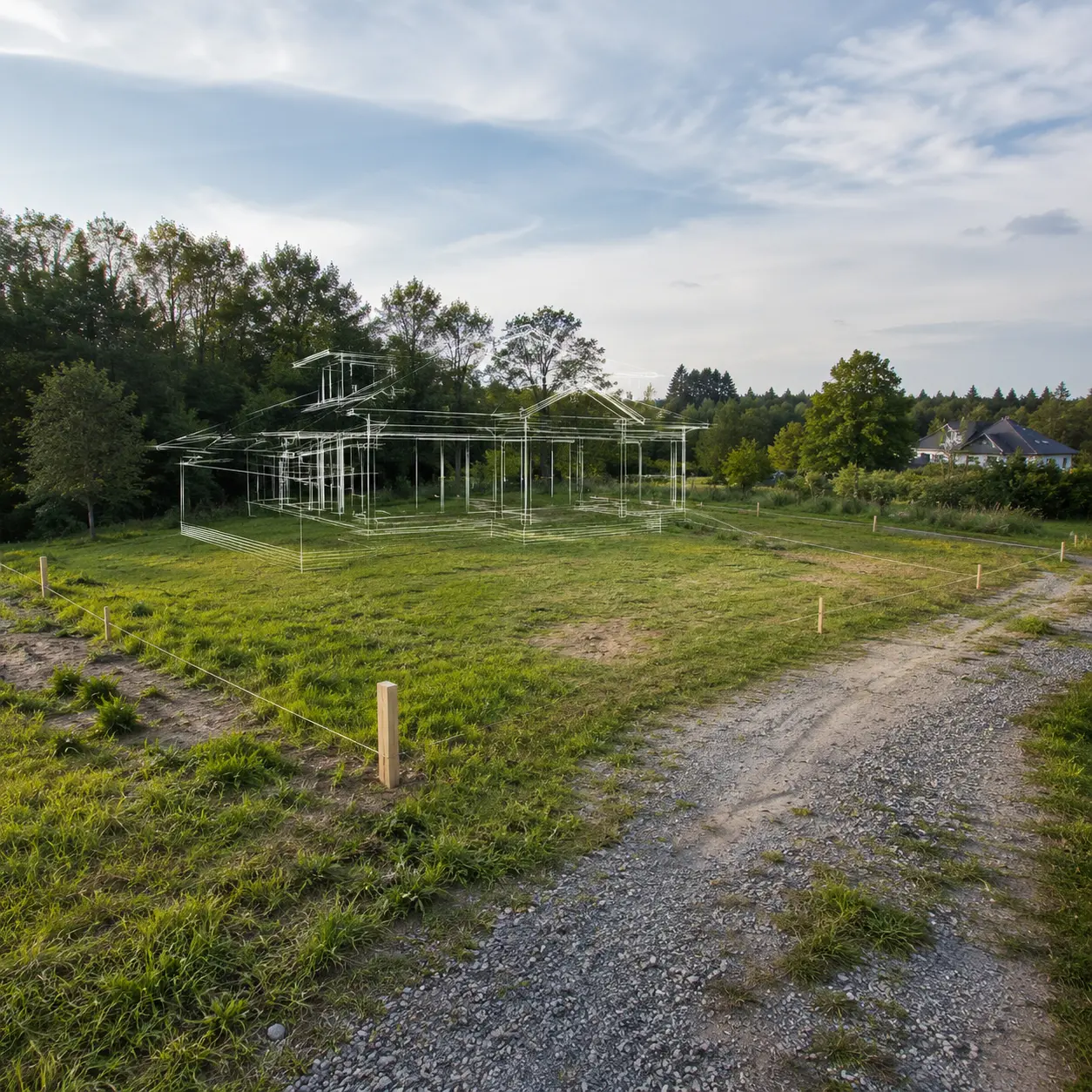
Confirm zoning permits a house, then check soil, water, septic and flood. Two federal protections skip vacant lots because there is no building yet.

Confirm zoning permits a house, then check soil, water, septic and flood. Two federal protections skip vacant lots because there is no building yet.

A low price is not a deal until the comps, the legal access and the title check out. Two of those three sink most cheap parcels.
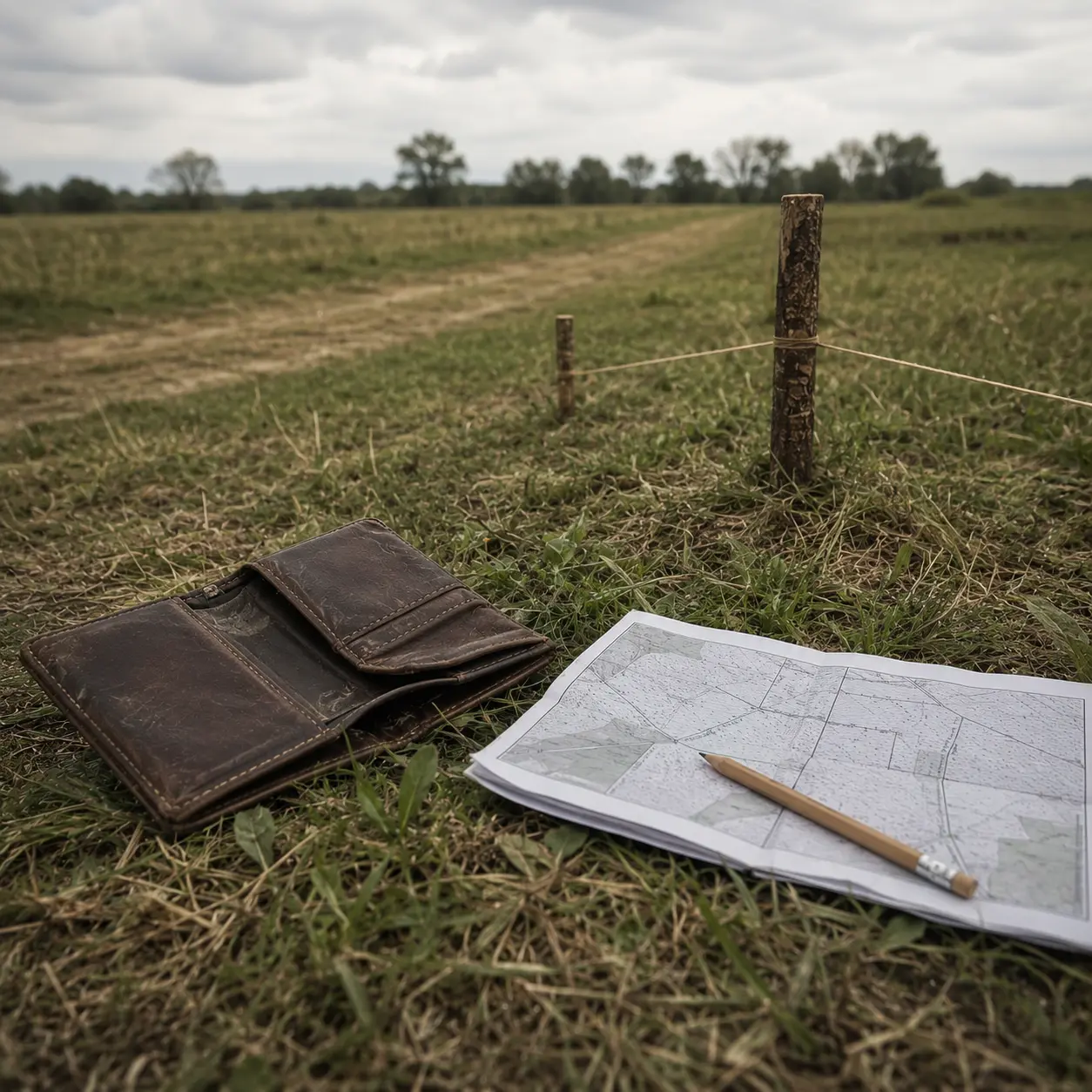
You can buy land with far less cash than a bank wants, but not with zero. The federal low-cash programme sets a floor of 5 percent you cannot borrow.
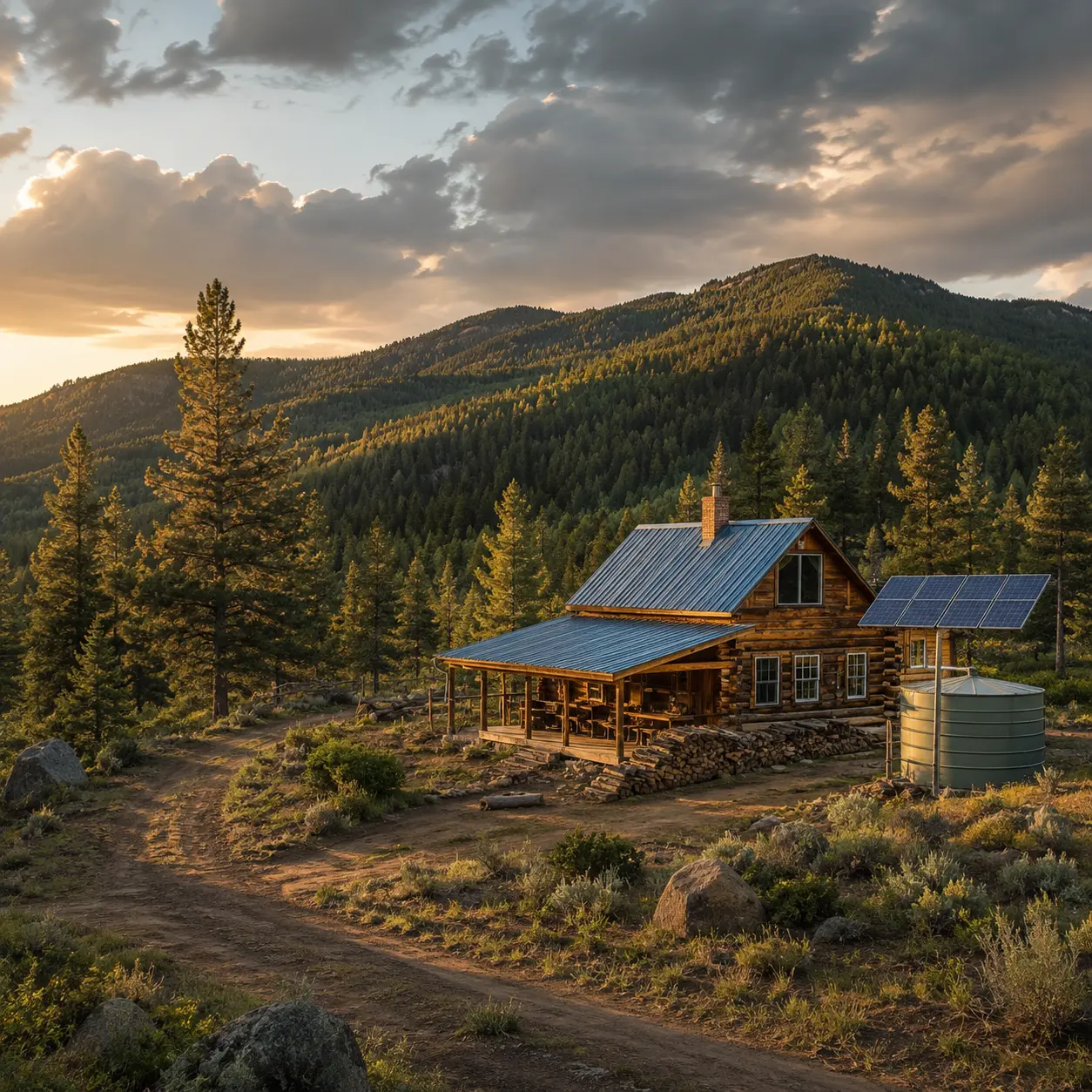
Off-grid land has no utility service, so you supply water, waste and power. Private well water is not federally regulated, which shifts testing onto you.
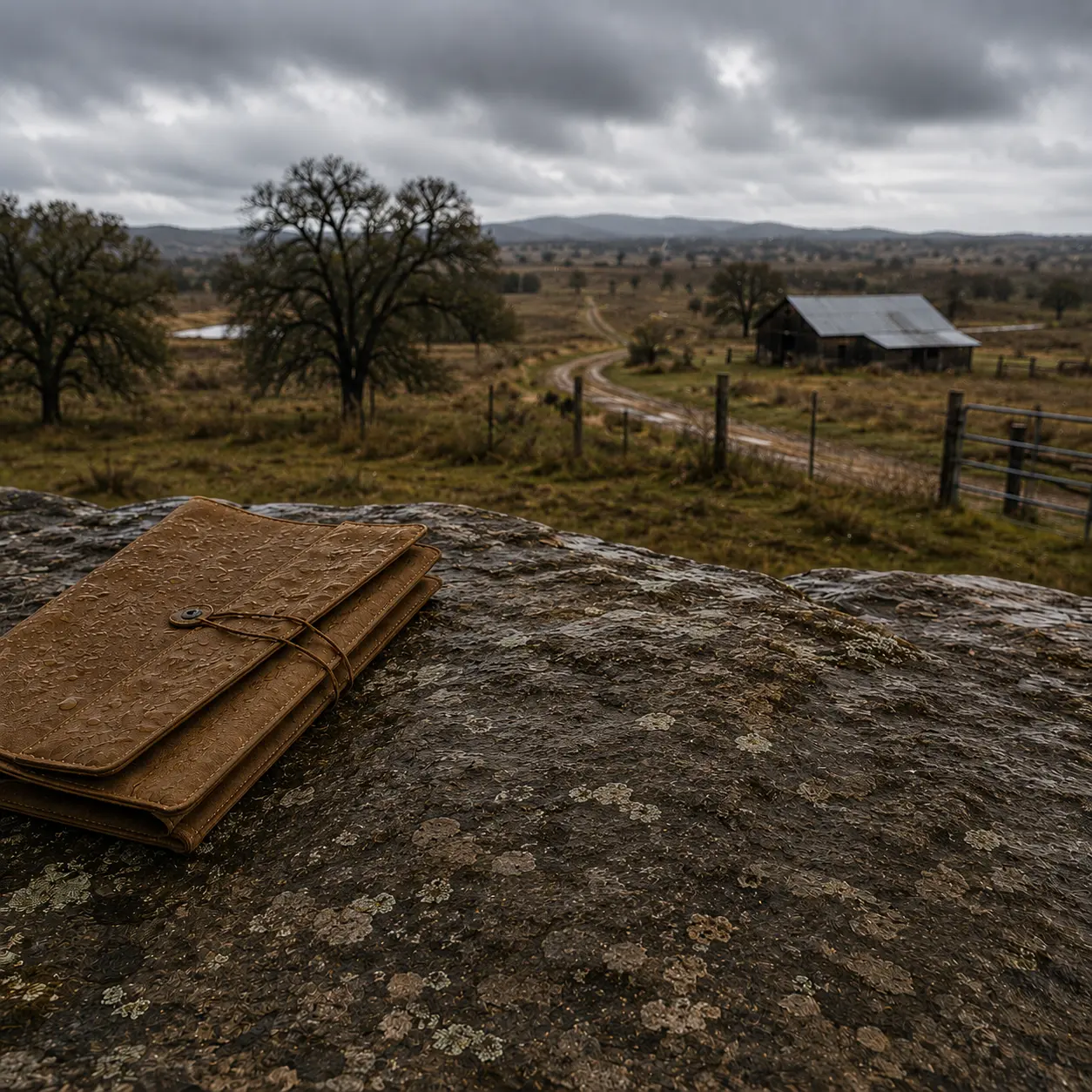
A vacant land purchase agreement sets price, contingencies and closing. Land contracts must be in writing, and courts can order a seller to complete.

Open escrow, search title, run due diligence, insure title, sign, fund, and record the deed. Land closing costs are set by state, not by a national rule.
Owner financed land works like a private installment loan from the seller. Most federal and state buyer protections exempt raw land, so you verify it yourself.
Federal guidelines cap raw land lending at 65 percent loan-to-value, so a regulated lender is working toward 35 percent down.
Price the offer from recent comps, put it in a written agreement with earnest money and a due diligence period, then negotiate.
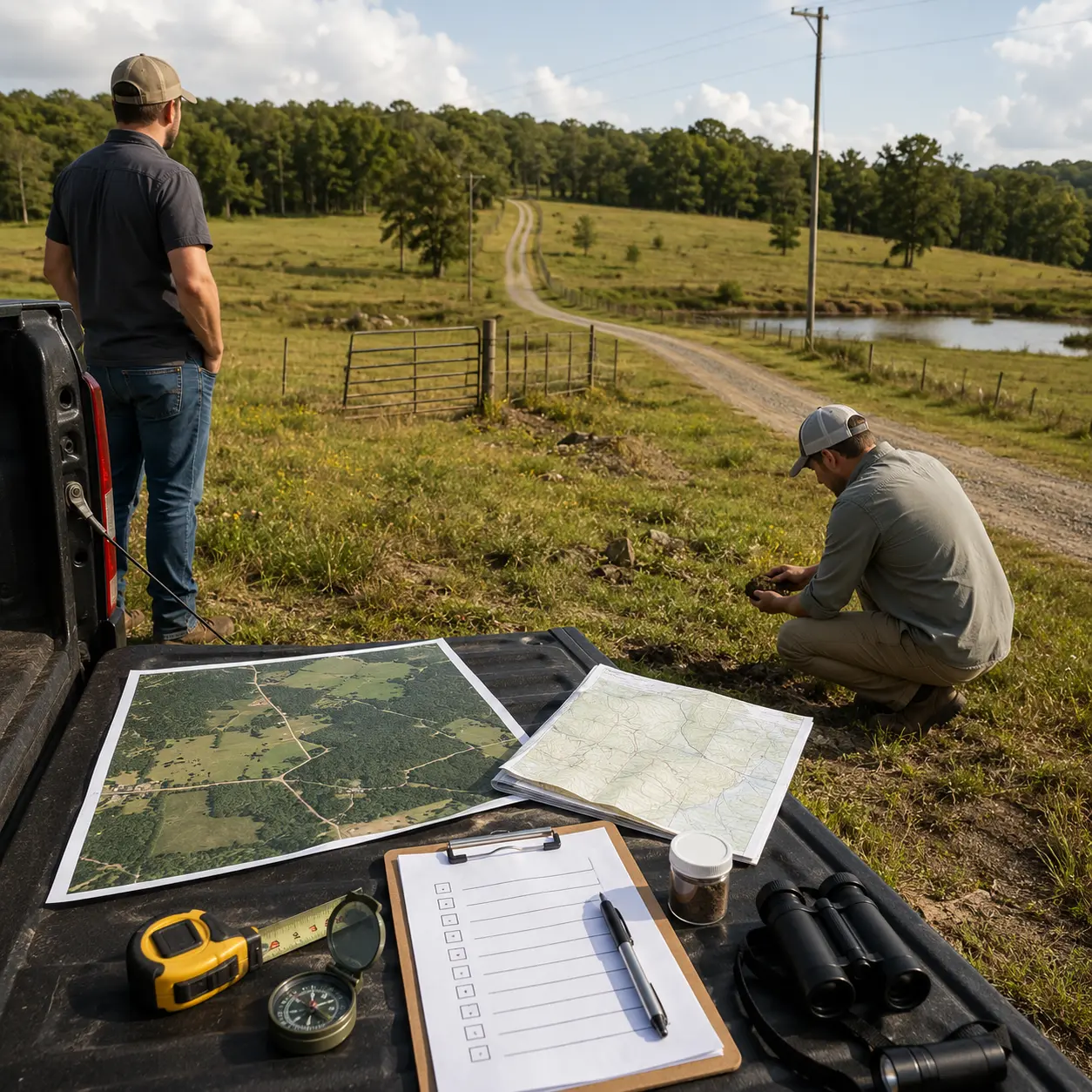
Before buying rural land, screen soil, septic limits and flood zone online, then walk the parcel checking access, water, drainage and utility distance.