Recreational Land: What It Is, What It Earns, and What Protects You
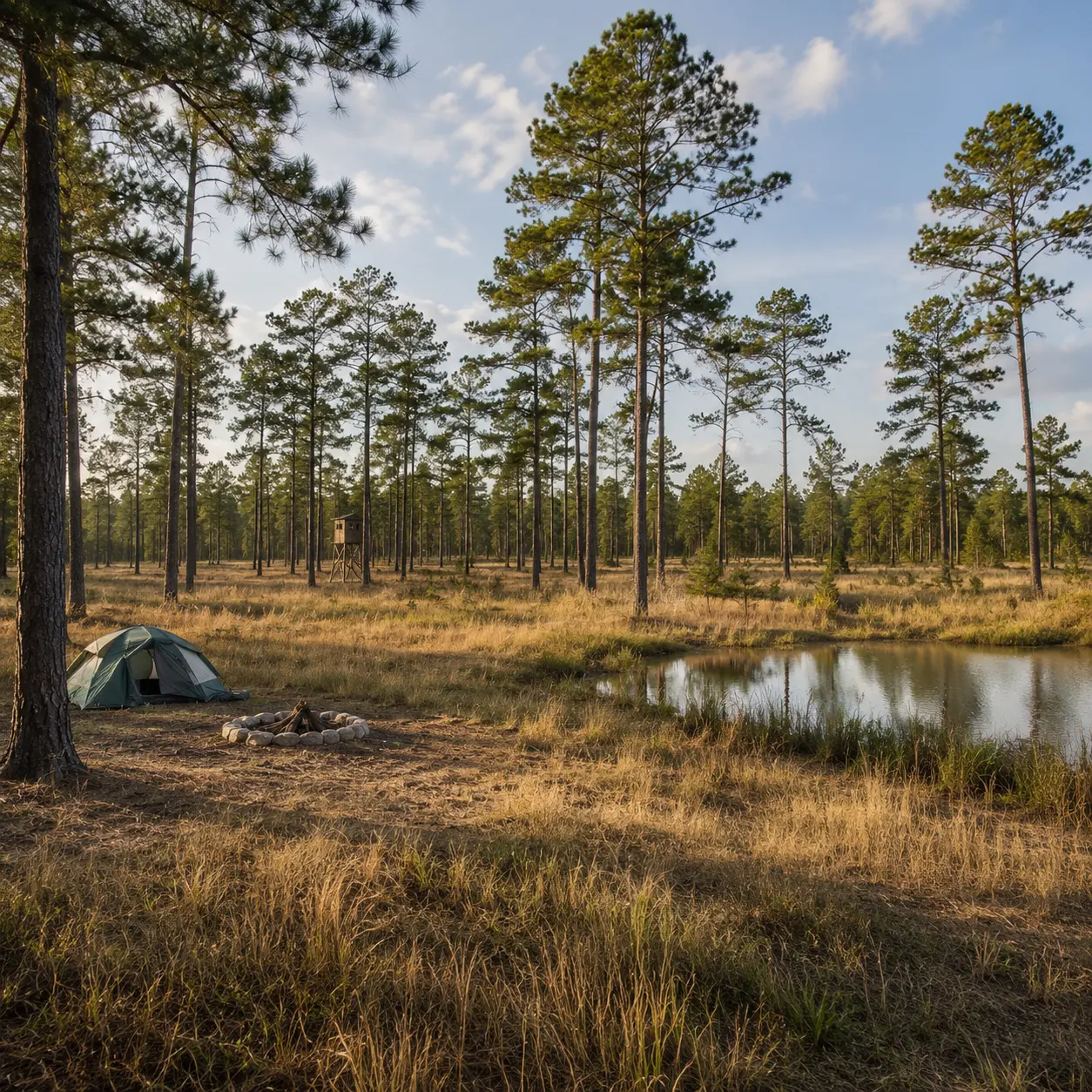
Recreational land is rural acreage held for hunting, fishing or camping rather than crops. Its value tracks access, water and habitat.

 Zachary Blakeman
Recreational land is rural acreage held for hunting, fishing or camping rather than crops. Its value tracks access, water and habitat.
Long-term gain on land is taxed at 0, 15 or 20 percent, plus 3.8 percent above the NIIT threshold, after selling costs come off the price.
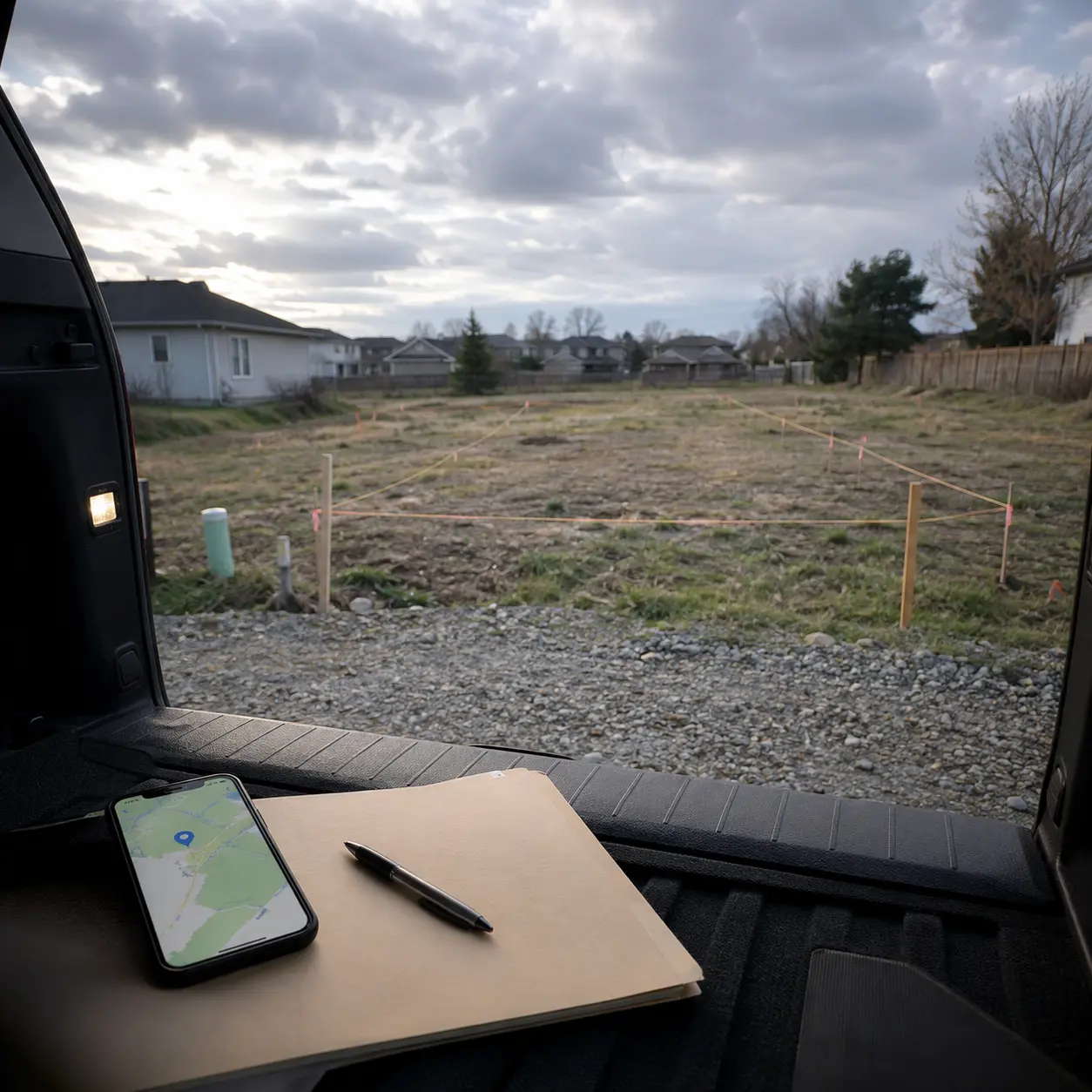
You can buy land without an agent in every state. Paying cash also removes the federal disclosure package, because those rules are triggered by credit.
Yes, through owner financing. The seller sets the terms, so the questions that matter are who holds title and what happens if you miss a payment.
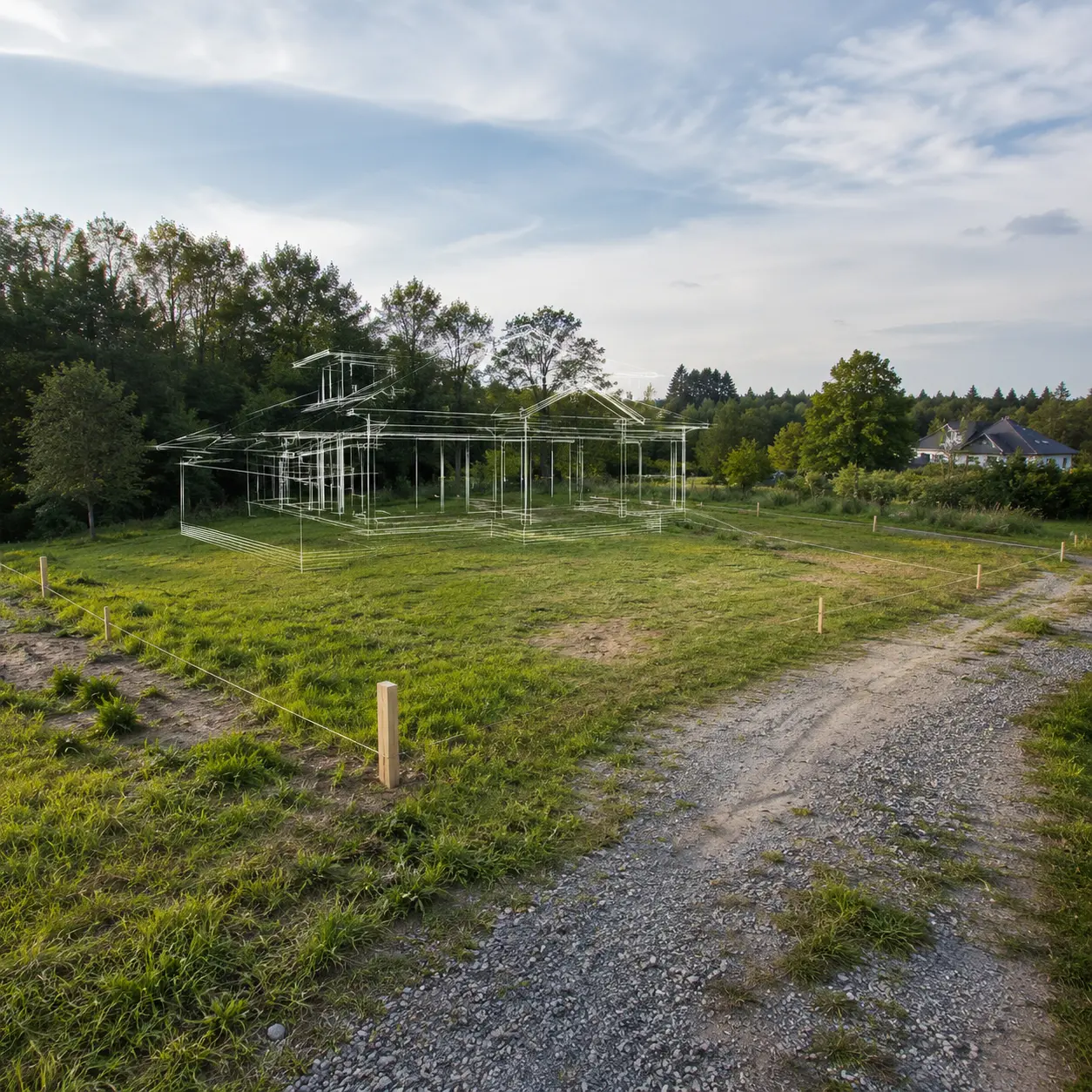
Confirm zoning permits a house, then check soil, water, septic and flood. Two federal protections skip vacant lots because there is no building yet.
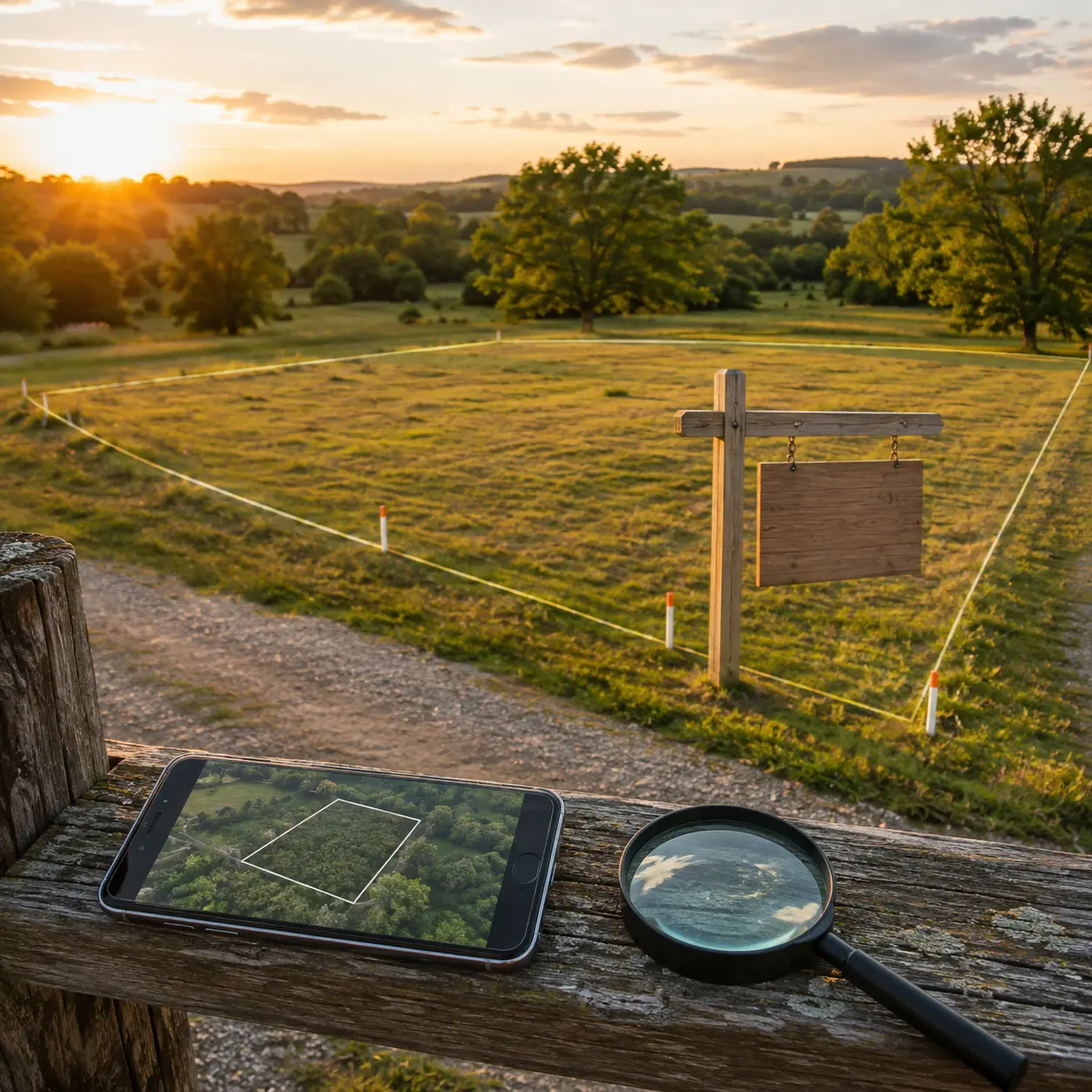
A low price is not a deal until the comps, the legal access and the title check out. Two of those three sink most cheap parcels.
You can buy land with far less cash than a bank wants, but not with zero. The federal low-cash programme sets a floor of 5 percent you cannot borrow.
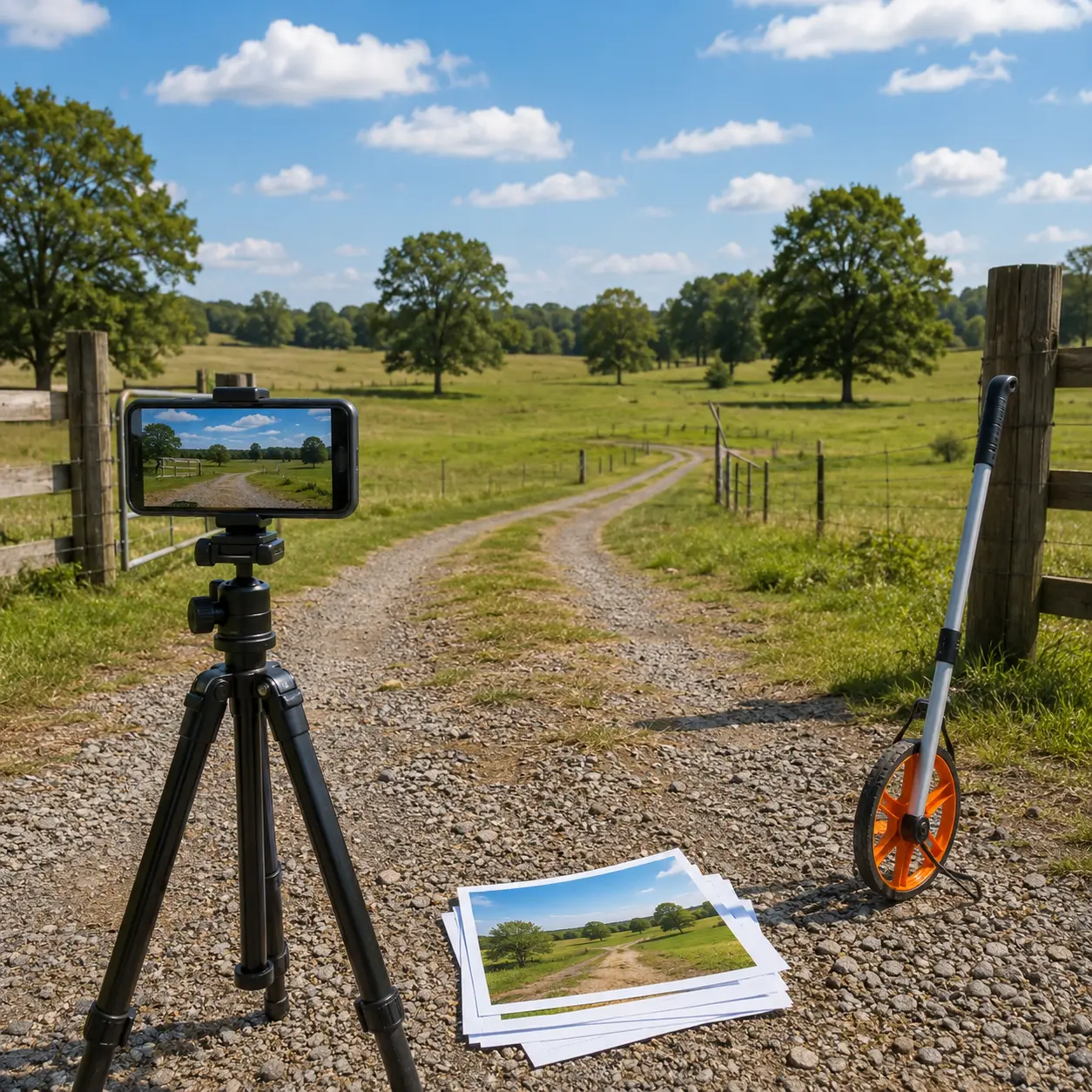
Small tracts carry a measured per-acre premium over large ones, so pricing a 1 to 10 acre parcel off big-tract comps underprices it.
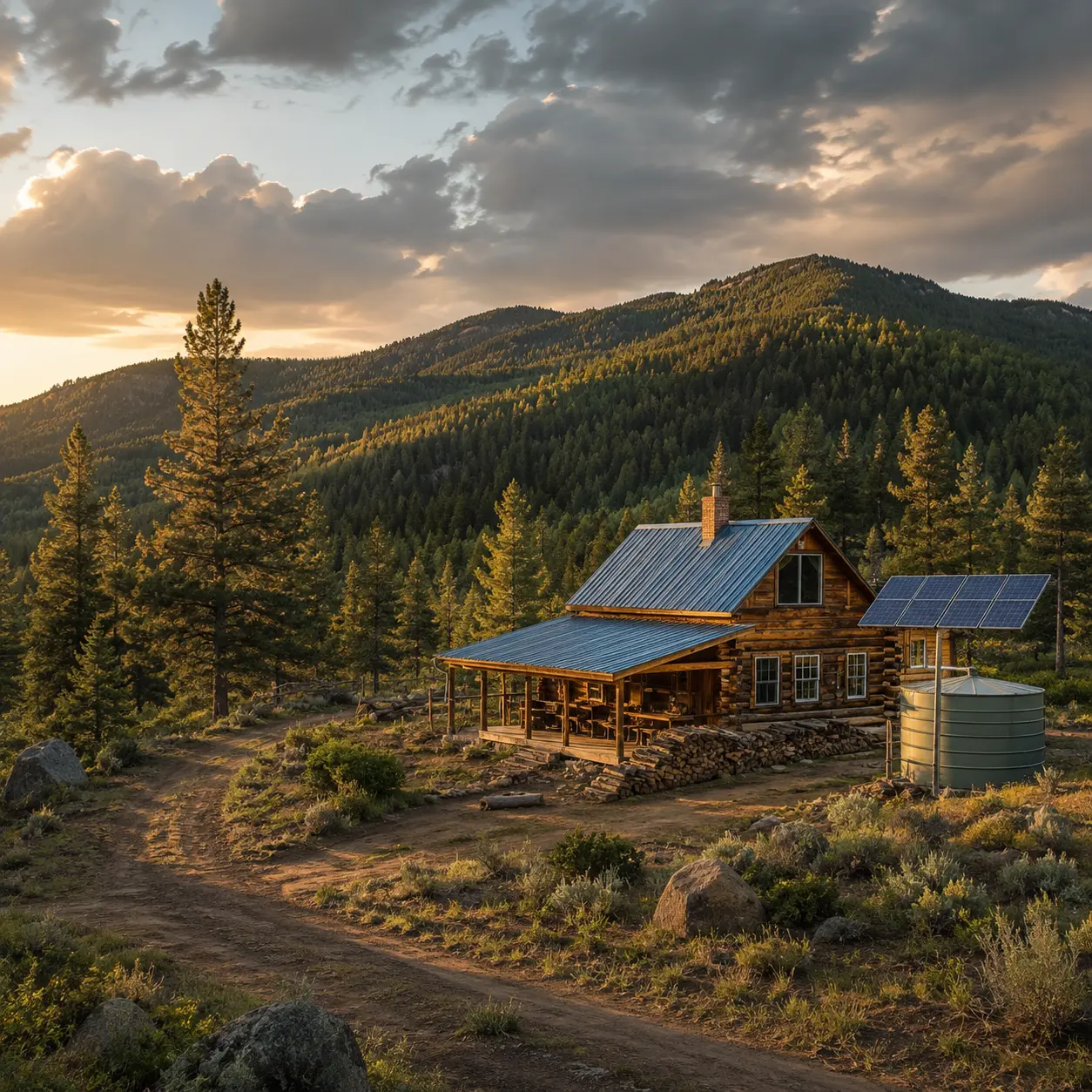
Off-grid land has no utility service, so you supply water, waste and power. Private well water is not federally regulated, which shifts testing onto you.
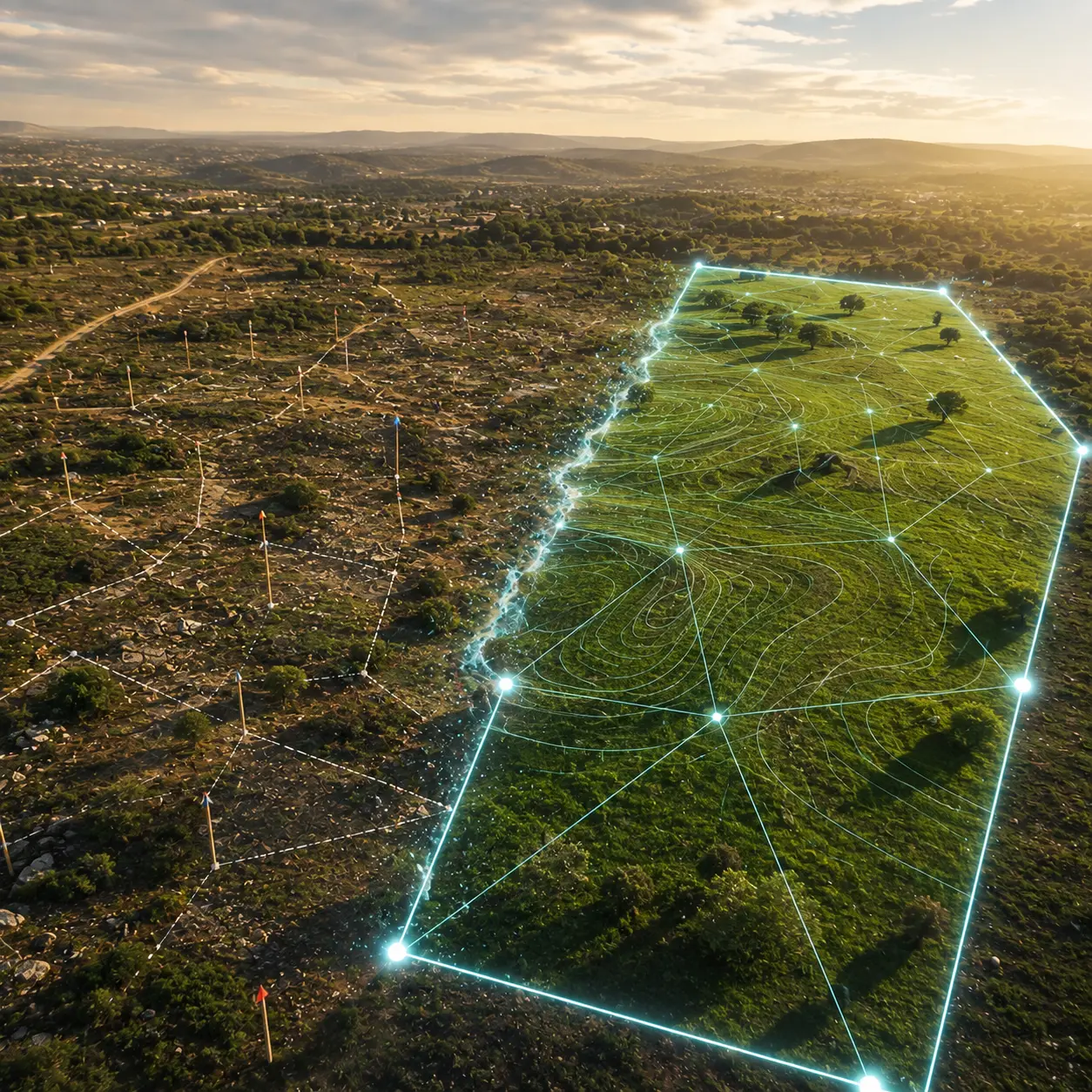
Land data sits in 3,144 separate county systems with no national program, so the cost of the gap is mispricing rather than slow sales.