
photos.
Key Takeaways
A step-by-step formula for writing a vacant land listing that gets inquiries instead of getting scrolled past, with a full example.
- Lead with your strongest feature, not the parcel number, because the first line decides whether a buyer keeps reading.
- Tell the story of the land and name its use, whether that is hunting, homesteading, farming, or building.
- Include the specs and terms buyers filter by: acreage, county, access, zoning, utilities, price, and financing.
- Add real photos and a simple map, since buyers cannot walk the land before they inquire.
- Keep every claim truthful, because a listing that falls apart in due diligence costs you the sale.
The words in your land listing are the cheapest way to sell faster, and most sellers waste them. A parcel described like a tax record gets ignored, while the same land described well gets inquiries in days.
This guide shows you exactly how to write a vacant land listing that attracts serious buyers, with a clear formula, the specs to include, the keywords buyers search, and a full example you can copy. Get the words right and you will stand out from every lifeless listing on the market.
Quick verdict: a great land listing does four things: it hooks with the best feature, tells the story of owning the land, gives buyers the hard facts they filter by, and shows real photos. Skip the hype and skip the bare spec list. Write it honestly and specifically, and you will attract serious buyers instead of tire-kickers and bots.
What Makes a Vacant Land Listing Attract Serious Buyers?
Serious buyers want two things a bad listing never gives them: a reason to be excited and the facts to make a decision. A great listing delivers both.
The difference is not fancy writing. It is leading with what matters, describing the real experience of the land, and giving concrete details a buyer can verify. A listing that reads naturally and answers real questions also surfaces better in search and on a land marketplace, where buyers filter by exactly those details.
It is also a low bar to clear. The National Association of Realtors reported that 40% of for-sale-by-owner sellers did not actively market their property. That is home data rather than land data, and NAR publishes no land equivalent, but the direction holds: most by-owner sellers post and wait, so a well-written listing puts you ahead of a large share of your competition.
The Anatomy of a High-Performing Land Listing
Every strong land listing follows the same structure. Learn the parts and you can write one for any parcel in minutes.
A high-performing listing has six parts in order: a headline that leads with the best feature, an opening hook that paints the experience, a features section, a use-case section that names who the land is for, a specs block with the hard facts, and a clear next step. It works whether you write it yourself or start from a draft. The goal at every step is the same: give a real buyer enough to picture owning it.
How to Write a Headline That Gets Clicks
Your headline is the one line every buyer reads, so make it earn the click. Lead with acreage, location, and the single best feature.
Skip “40 acres for sale” and write “40 Wooded Acres with Creek and County Road Access, Howell County MO.” Put the numbers and the standout feature up front, because buyers scan headlines and filter on them. A specific, benefit-led headline pulls the right buyer in and filters out the wrong one before they waste your time.
What Every Land Listing Must Include
Buyers make decisions on facts, so give them all the hard details in one clear block. Missing information kills momentum and invites low-quality inquiries.
Every listing should state acreage, county and state, the APN, road access type, zoning, utilities status, price and price per acre, and financing options. If the land has an issue, disclose it, and check the parcel on the FEMA Flood Map Service Center so you can state its flood status accurately. A complete, honest specs block builds trust and pre-qualifies buyers, so the people who reach out are the ones ready to act.
Include the Keywords Buyers Search
A great listing that no one finds does not sell land. Weaving in the terms buyers actually search helps your listing surface in results.
Include natural phrases buyers type, like owner financing, off-grid, road access, buildable, hunting land, or the county name, since these double as both buyer signals and search terms. Buyers filter by these exact features, so naming them in your listing makes it match more searches. Write for the buyer first, and the keywords will mostly take care of themselves.
Add Photos and a Simple Map
Buyers cannot visit rural land before they inquire, so your images do the selling. A listing with real photos gets far more attention than one without.
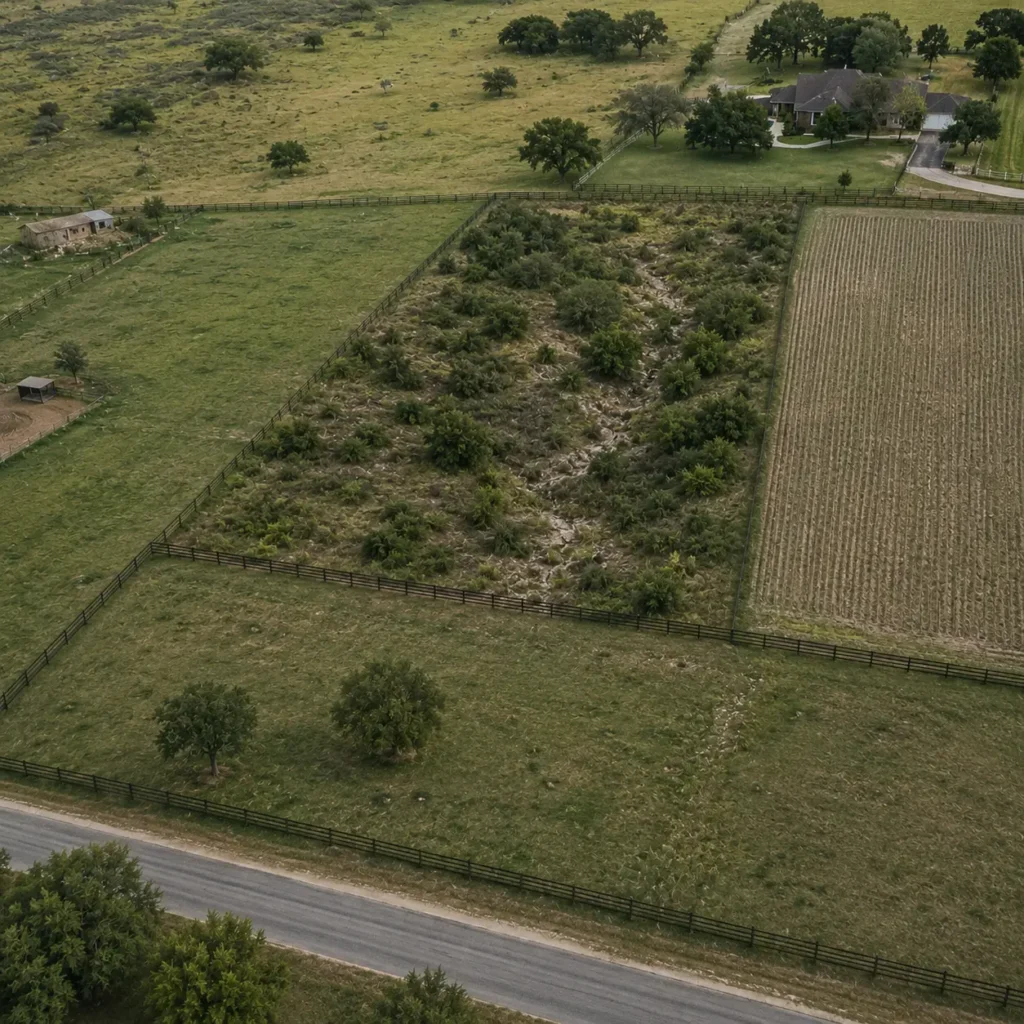
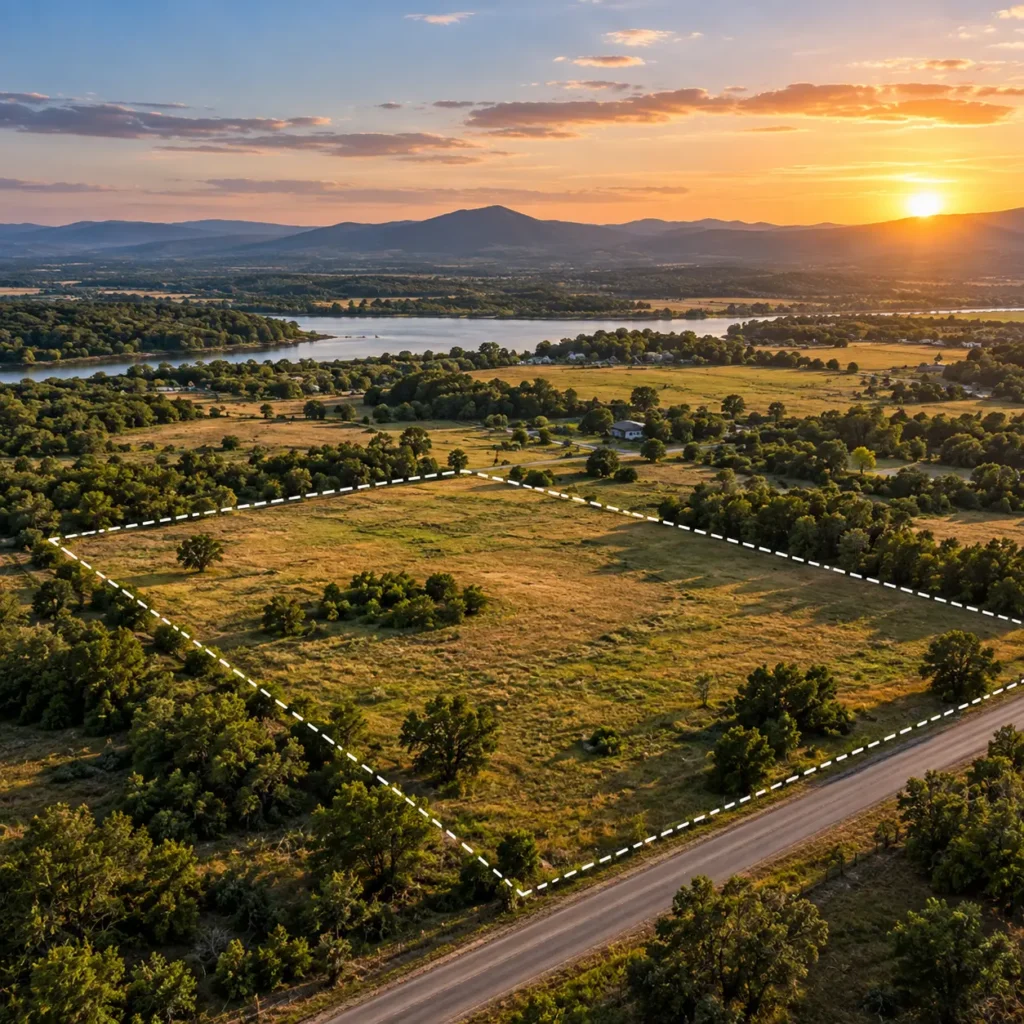
Add clear ground-level photos of the terrain, road frontage, and any water, plus a simple boundary map and a drone shot if you can get one. Show the land honestly, including its character, not just its best corner. Good visuals turn a browser into an inquiry faster than any sentence you can write.
A Full Example Land Listing
Here is a complete example you can adapt. Notice how it leads with the feature, tells the story, then delivers the facts.
Headline: 40 Wooded Acres with Seasonal Creek and County Road Access, Howell County, Missouri
Body: Forty acres of Ozark hardwood timber with paved county road frontage and a seasonal creek winding through mature oak and hickory. Gently rolling and private, it is ready for a rural homestead, a hunting retreat, or a long-term timber hold, with documented deer and turkey activity. Electric runs along the county road, and owner financing is available. About 35 miles from West Plains.
Specs: 40 acres | Howell County, MO | APN available on request | Paved county road access | Zoned Agricultural | Electric at road, well and septic needed | $89,000 ($2,225/acre) | Owner financing available.
Next step: Message to schedule a visit or ask about financing terms.
Common Mistakes That Repel Serious Buyers
A few habits turn good land into a listing buyers ignore. Avoid these and your listing instantly improves.
Do not write a bare spec list with no story, do not use empty hype like “amazing opportunity” with no substance, do not hide flaws that will surface anyway, and do not post two blurry photos or none.
Above all, keep it truthful. The federal standard for land sales, at 15 U.S.C. § 1703, bars “any untrue statement of a material fact” or an omission that makes the rest misleading, and state misrepresentation law reaches individual sellers regardless.
One more worth knowing, because it catches people out. The Fair Housing Act, at 42 U.S.C. § 3604, bars advertising a dwelling in terms that indicate “any preference, limitation, or discrimination.” The safe rule either way: describe the land, never the buyer you imagine on it. Not legal advice.
If your listing is not getting inquiries, get in touch and we will look at it with you.
The Shortcut: Let AI Write the First Draft
If staring at a blank listing is the hard part, AI can hand you a strong first draft in seconds. Treat it as a starting point, not the final word.
An AI listing writer turns your parcel details into a structured, buyer-focused draft that you then refine with the local knowledge only you have. Always review the draft, add your own details, and confirm every fact before publishing, exactly as you would with anything you write yourself.
Ready to List Your Land?
A strong listing is the difference between a parcel that sits and one that sells, and now you have the formula to write one. Apply it, add real photos, and keep it honest. The wider process is covered in our guide to selling vacant land without a realtor.
When your listing reads the way you want, list your land on a platform built for land buyers and start collecting inquiries.
Would rather start from a draft? Start your free trial and have a listing ready in minutes.
Frequently Asked Questions
What should a vacant land listing include?
A strong land listing includes a benefit-led headline, an opening that describes the experience of the land, and a specs block with acreage, county, APN, access type, zoning, utilities status, price per acre, and financing options. Add real photos and a map, and disclose any issues honestly so serious buyers can make a decision.
How do I make my land listing stand out?
Lead with your single best feature instead of the parcel number, tell the story of owning the land, and name its use, like hunting or homesteading. Include the exact terms buyers search, add clear photos and a map, and disclose everything upfront. Specific, honest listings stand out from the bare spec lists most sellers post.
How long should a land listing description be?
Long enough to cover the story and all the key facts, usually a short opening paragraph plus a specs block, roughly 100 to 200 words of description. Buyers want enough to picture the land and enough hard detail to decide. Avoid padding, and never cut the facts buyers need to filter and qualify.
What keywords should I use in a land listing?
Use the natural terms buyers search and filter by: acreage, county and state, road access, zoning, buildable, owner financing, off-grid, and the land type such as hunting or timber. Weave them in naturally rather than stuffing them. These phrases help your listing match more searches while still reading well to a real buyer.
Can I use AI to write my land listing?
Yes. An AI listing writer can produce a strong, structured first draft from your parcel details in seconds. Use it as a starting point, then add the local knowledge only you have and confirm every fact. Never publish an AI draft unedited or let it claim features the parcel does not have.
Resources and Further Reading
- National Association of Realtors: FSBOs Reach All-Time Low reports that 40% of for-sale-by-owner sellers did not actively market their homes.
- 15 U.S. Code § 1703, Interstate Land Sales Full Disclosure Act sets the federal prohibition on untrue statements and material omissions in land sales.
- 42 U.S. Code § 3604, Fair Housing Act prohibits advertising a property in terms that indicate a preference or limitation about the buyer.
- FEMA Flood Map Service Center lets you verify a parcel’s flood zone so you can disclose it accurately.