Insights Hub

Everything You Need to Know About Buying and Selling Vacant Land

Guides, checklists, and deep-dives built by land specialists, not generalist real estate writers. From pricing your first parcel to navigating owner financing to evaluating a 200-acre timberland deal, this is the resource hub the land world never had.

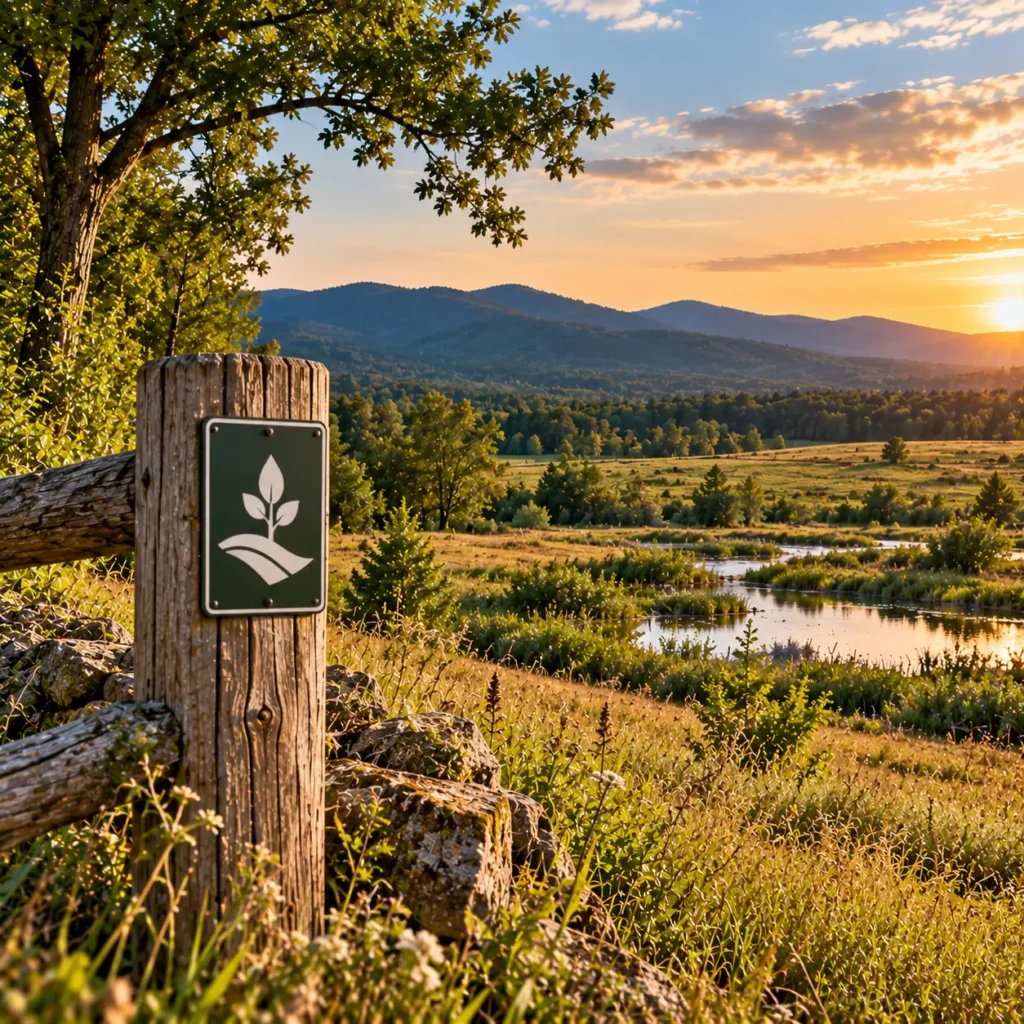
Protected rural land with wetlands, open meadow, and a conservation marker, representing land preserved under a conservation easement that may qualify for a tax deduction.
Buying Land

Do You Need Title Insurance on Vacant Land? An Honest Answer

Usually yes. What the premium mainly buys is the title search, not the payout, and a cash purchase forces no search.

Read →

Protected rural land with wetlands, open meadow, and a conservation marker, representing land preserved under a conservation easement that may qualify for a tax deduction.
Land Valuation and Pricing

Conservation Easement Tax Deduction: How It Works and Who Qualifies

A conservation easement deduction is a charitable deduction for permanently restricting your land's use. Perpetuity is a condition, not an option.

Read →

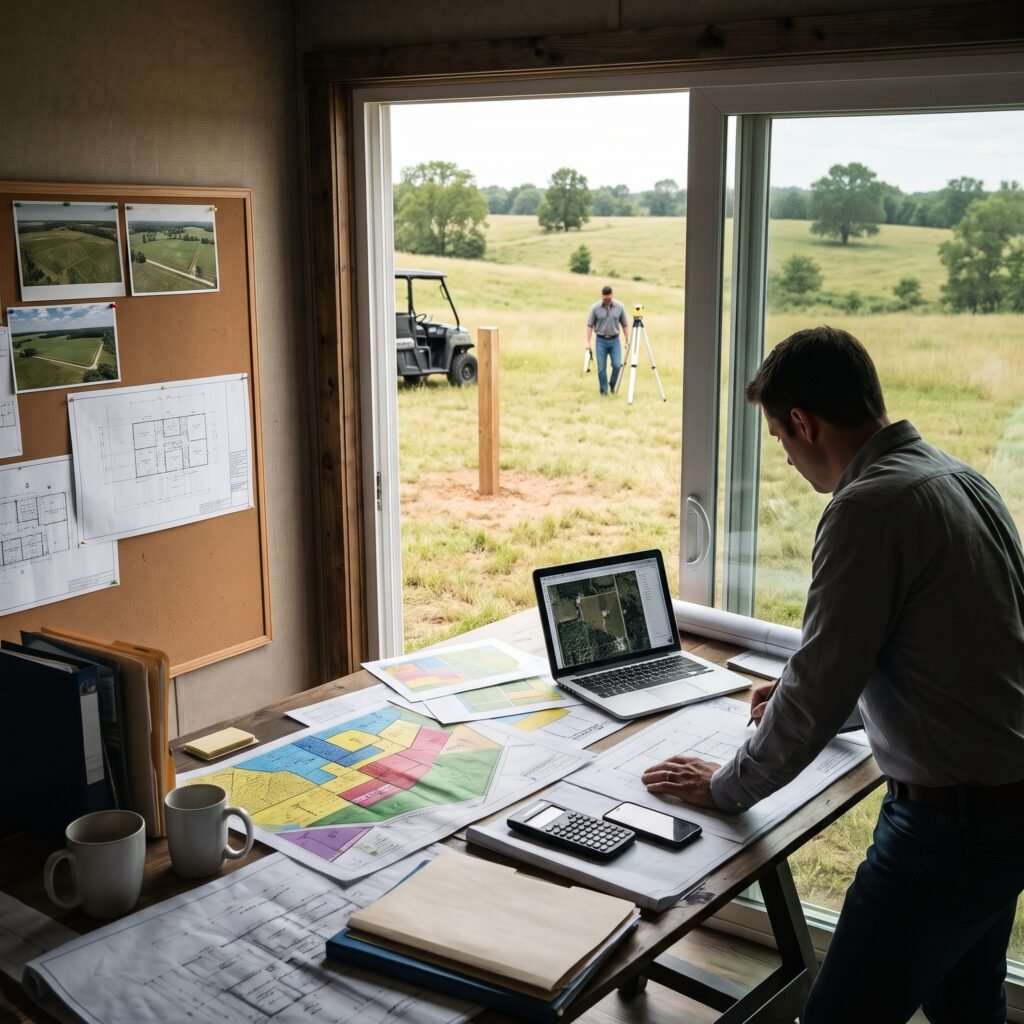
Vacant land being cleared and prepared for resale with grading equipment and survey stakes, representing the land flipping model and how property improvements can affect profit margins.
Selling Land

Land Flipping: How the Model Works and What the Margins Really Are

Land flipping is buying parcels below market and reselling them. The margin is operating income, and scale can cost you the capital gains rate.

Read →

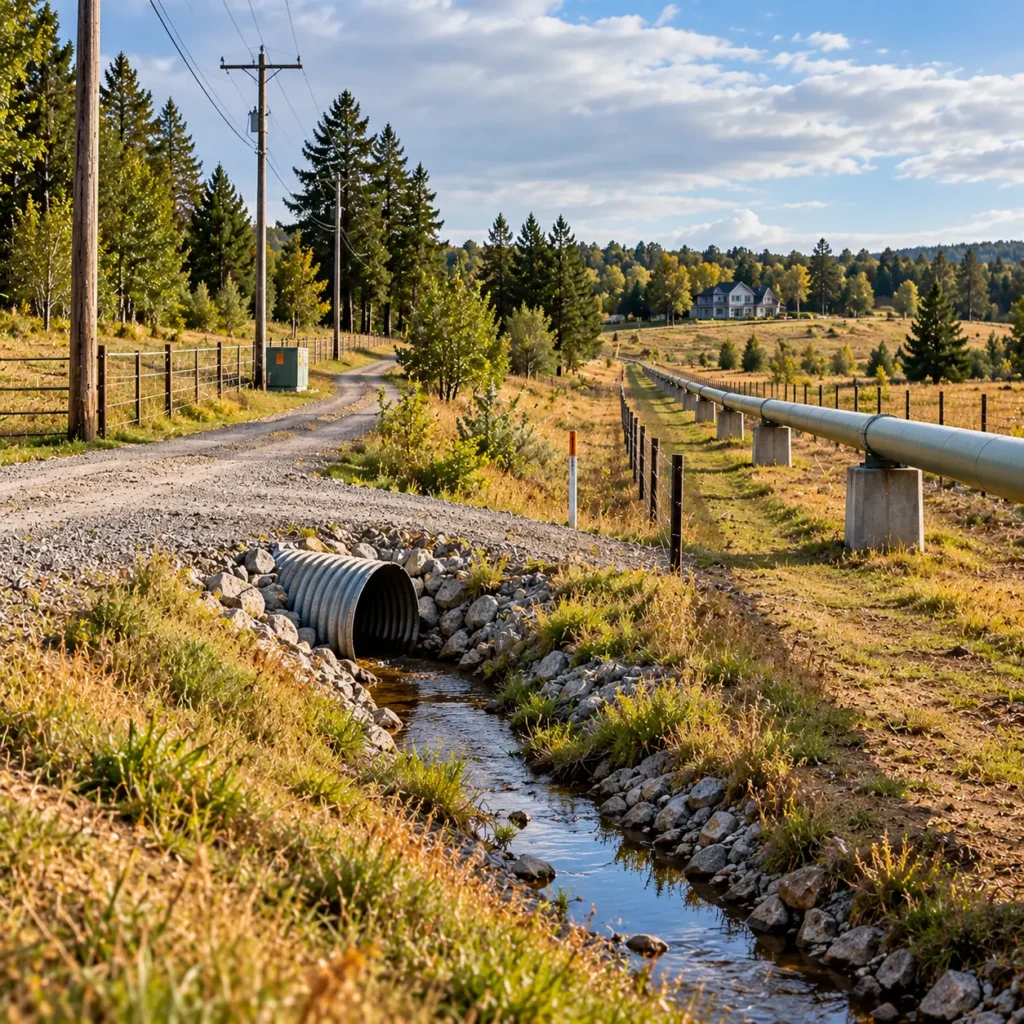
Rural property showing a shared access road, utility lines, pipeline corridor, and drainage crossing, representing common easement types that can affect land buyers.
Buying Land

What Is an Easement on Property? The Types That Affect Land Buyers

An easement is a right to use land you do not own. State statutes enumerate them, and the lists do not match, so the count varies by state.

Read →

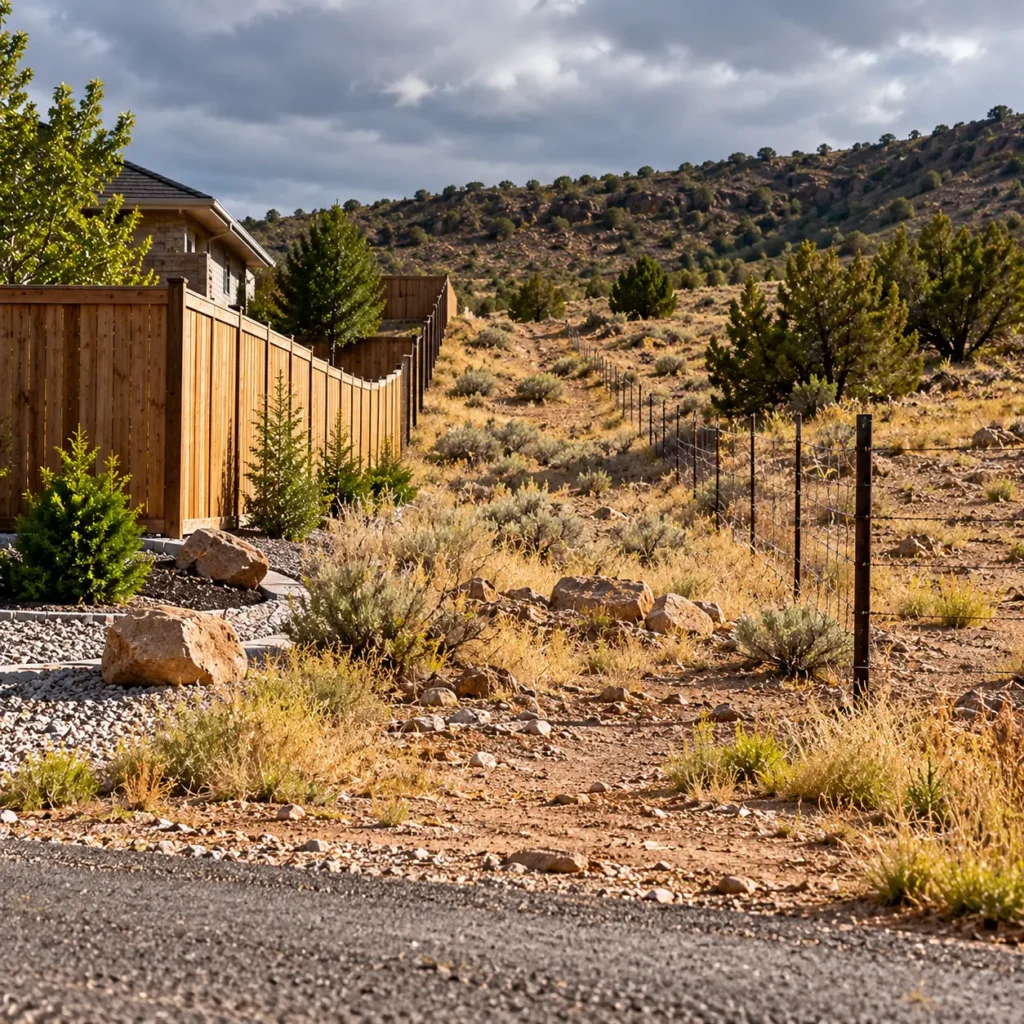
Landlocked rural parcel separated from a public road by neighboring property and boundary fencing, illustrating how legal access may need to be granted, purchased, or negotiated.
Buying Land

Landlocked Property: How Access Gets Granted, Bought, or Refused

A neighbor can refuse to let you cross. Access to landlocked property comes from an easement, a purchase, an implied way of necessity, or a statute.

Read →

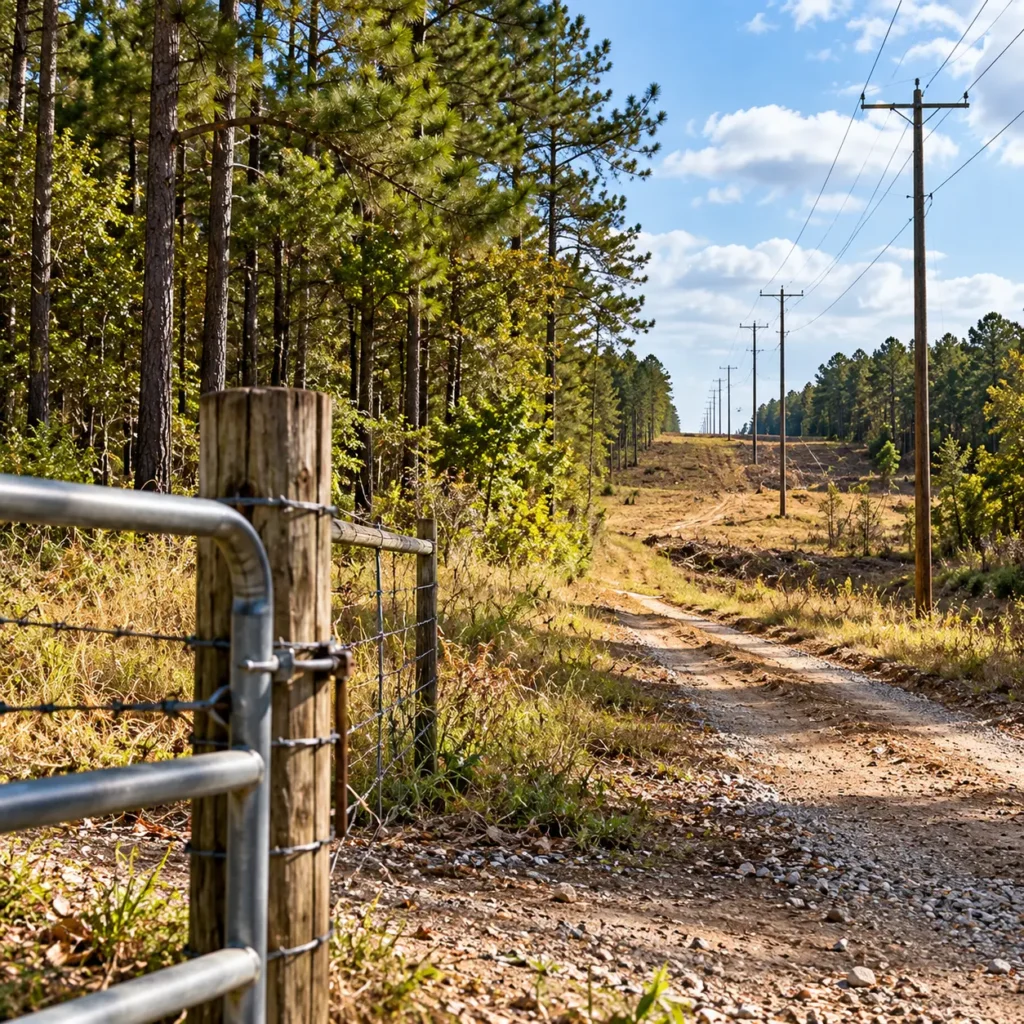
Rural right-of-way crossing private wooded land with a gated access track and utility corridor, illustrating how easements allow access across a property.
Buying Land

Right of Way Easements: Who Can Cross Your Land and Who Pays

A right of way easement is a legal right to cross someone's land. Who pays to maintain it depends on the document first, then your state.

Read →

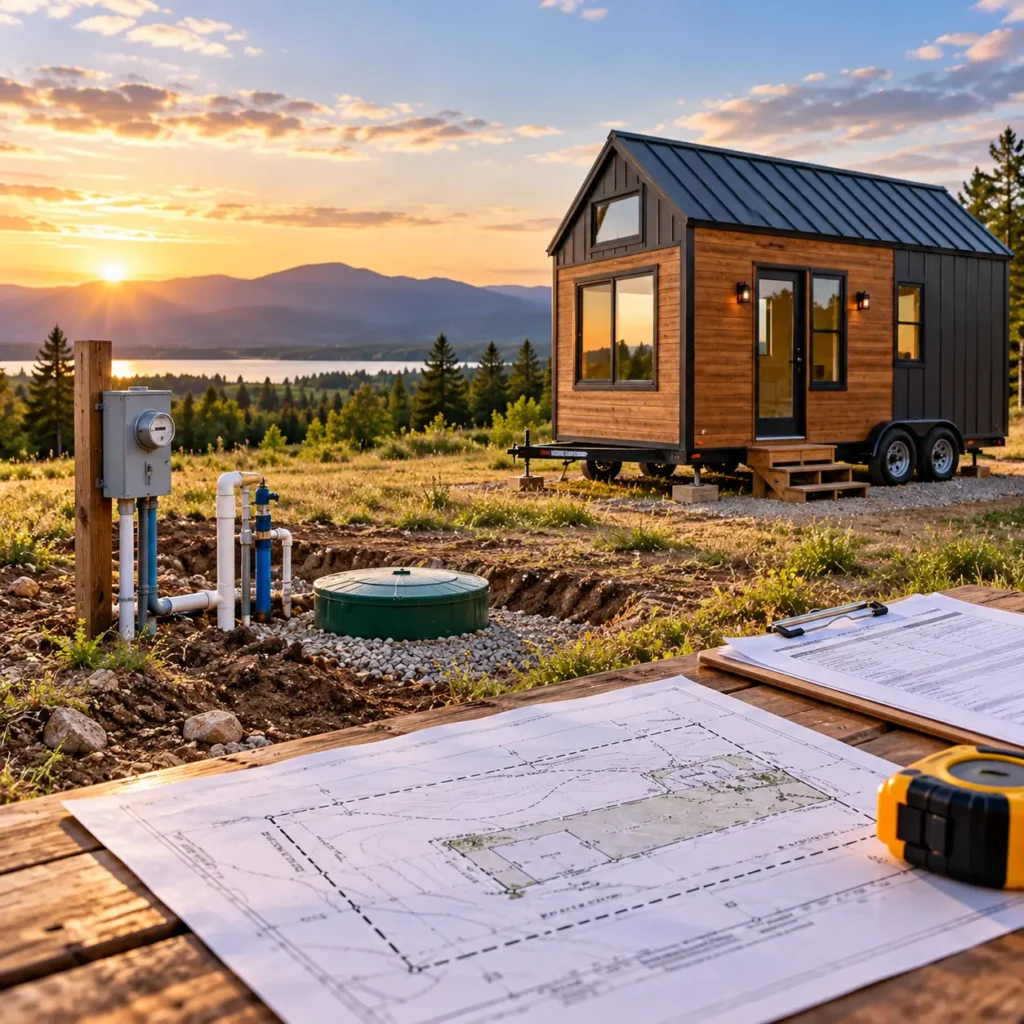
Tiny house on raw land with electrical, water, and septic utility connections, representing zoning, utility, and permit requirements for placing a tiny home on vacant land.
Buying Land

Can You Put a Tiny House on Raw Land? Zoning and Permits

Sometimes. It is legal only if the structure's classification, the local building code and the zoning minimum dwelling size all permit it.

Read →

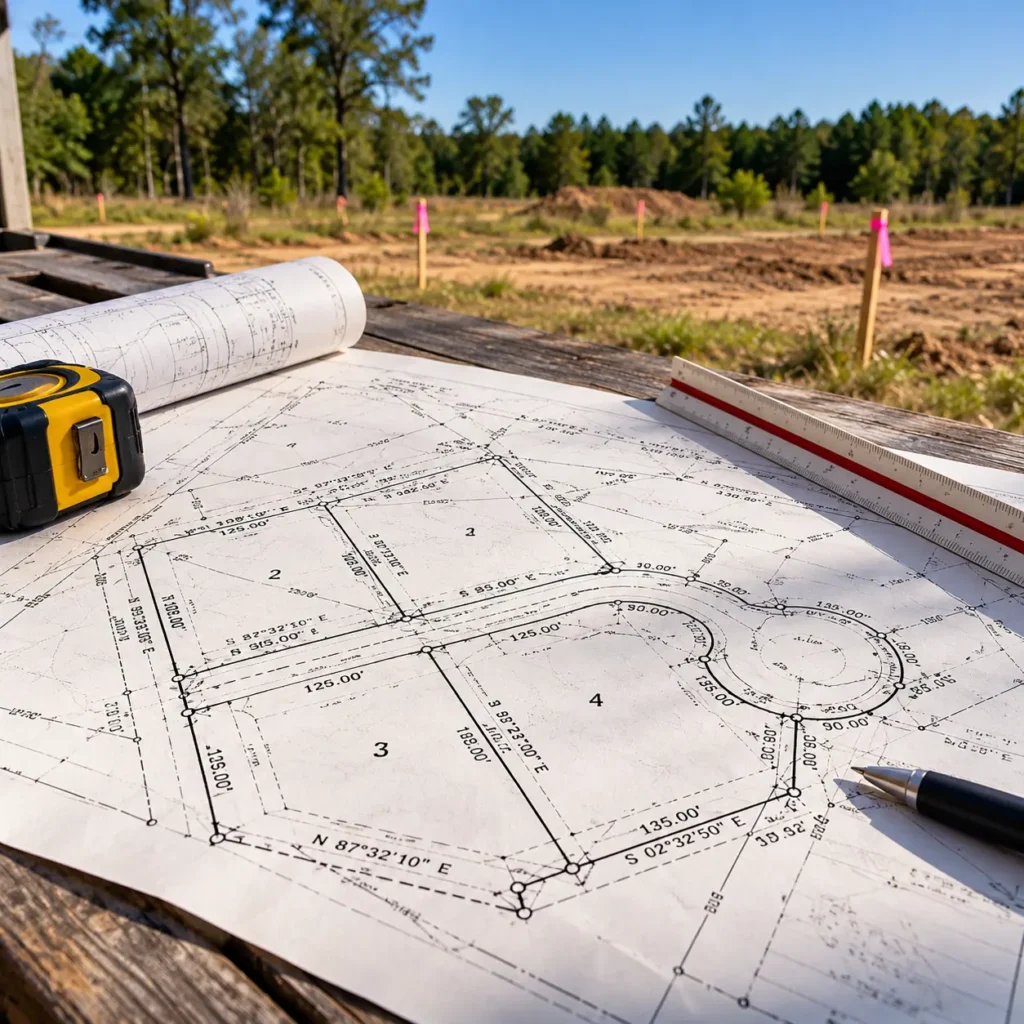
Detailed plat map showing property boundaries, lot dimensions, bearings, easements, and road layout beside survey tools on vacant land.
Buying Land

What Is a Plat Map and How Do You Read One, Line by Line

A plat map is the recorded survey drawing that divides land into numbered lots and legally creates each one as a described parcel.

Read →

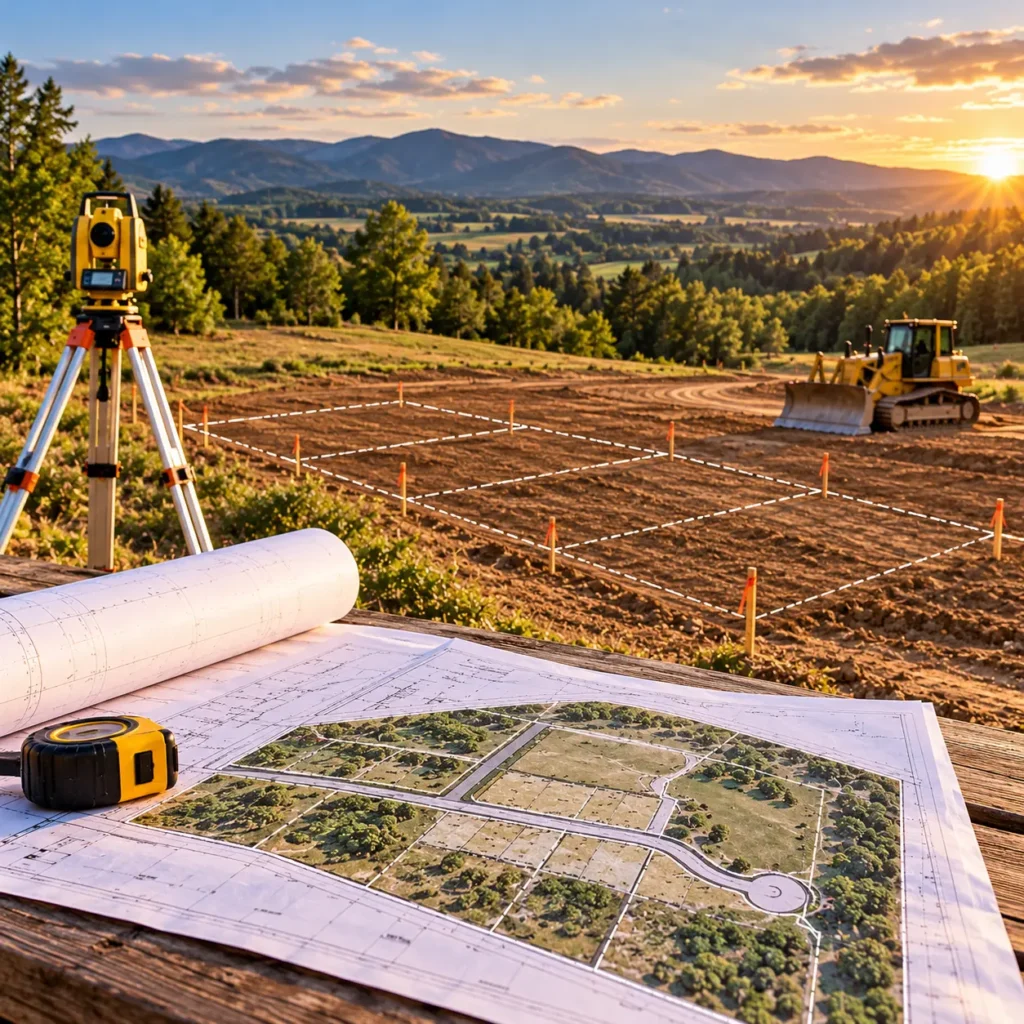
Rural land being surveyed and divided into multiple marked lots with site plans, grading equipment, and new access roads, representing the subdivision process, costs, and development potential.
Selling Land

How to Subdivide Land: The Process, Cost, and When It Pays

Submit a plat, get it approved, record it. You cannot legally sell a new lot until the plat is both approved and recorded.

Read →

Your land has a buyer.

RawLand AI connects you to them.

Sell your land yourself, on a platform built for exactly what you own.